
The phenomenon of coral bleaching is a silent crisis that is devastating marine ecosystems around the globe. This environmental disaster not only threatens the vibrant biodiversity of coral reefs but also impacts the livelihoods of millions of people who rely on these ecosystems for food, tourism, and coastal protection. Understanding the causes and consequences of coral bleaching is crucial for advocating for effective conservation efforts and raising awareness about the urgency of this issue.
Understanding Coral Bleaching
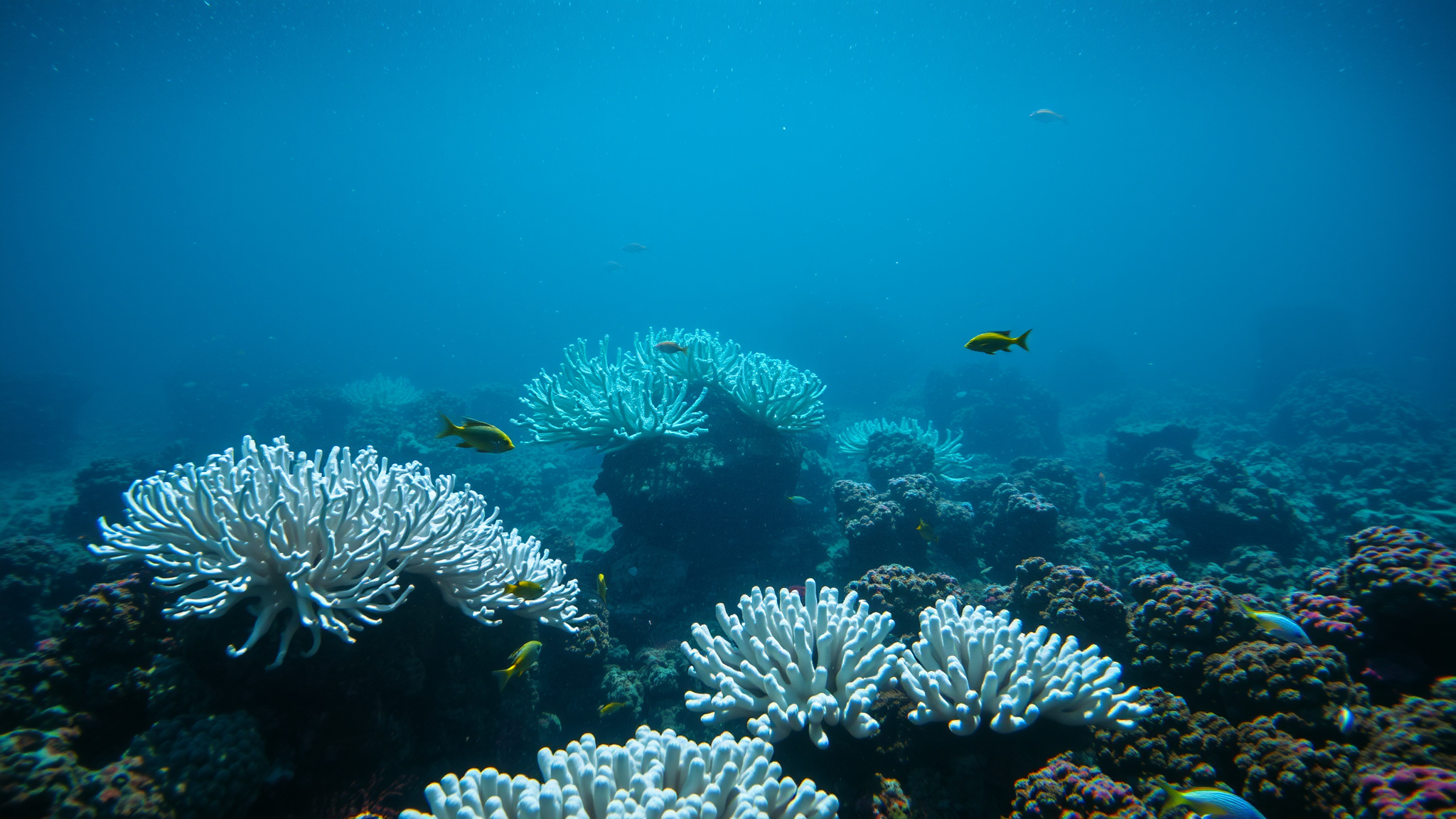
Coral bleaching occurs when corals, stressed by environmental changes, expel the symbiotic algae living in their tissues. These algae, known as zooxanthellae, provide essential nutrients to corals through photosynthesis and give them their color. Without these algae, corals turn white, or “bleach,” and become more susceptible to disease and mortality.
The Causes of Coral Bleaching
The main triggers of coral bleaching include rising sea temperatures, ocean acidification, pollution, and overexposure to sunlight. Climate change is the primary factor driving the increase in sea temperatures, leading to mass bleaching events that can decimate entire reefs. Additionally, nutrient runoff from agricultural practices can lead to algal blooms, which compete with corals for space and resources.
Impact on Marine Ecosystems
Coral reefs are often referred to as the “rainforests of the sea” due to their incredible biodiversity. They provide habitats for approximately 25% of all marine species, including fish, mollusks, and crustaceans. The loss of coral reefs due to bleaching can disrupt the entire marine food web, leading to declines in fish populations and the species that rely on them for survival.
The Socioeconomic Consequences
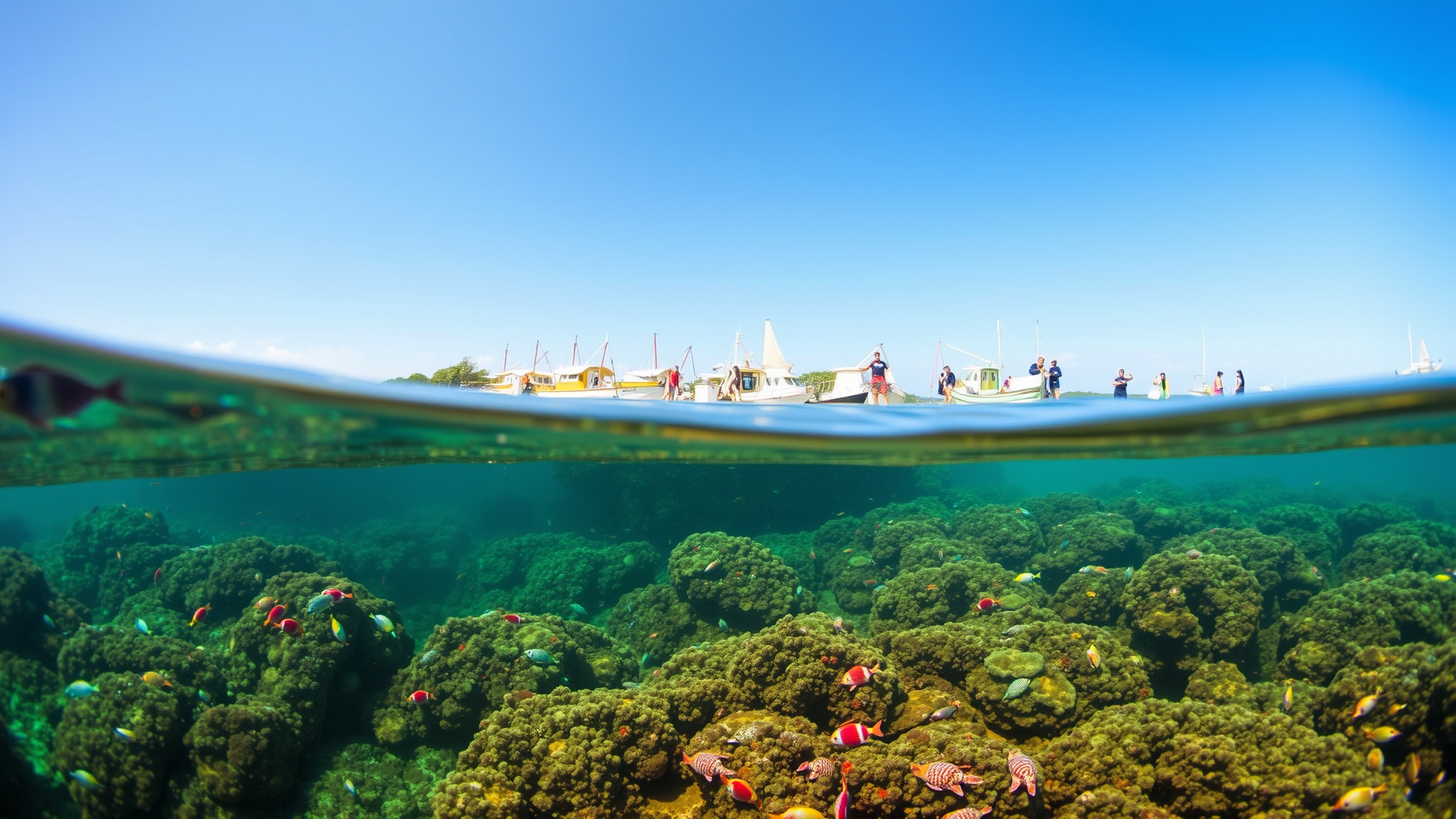
The impact of coral bleaching extends beyond marine life; it significantly affects human communities as well. Millions of people depend on coral reefs for their livelihoods, particularly those in coastal regions where fishing and tourism are major economic activities. The degradation of reefs can lead to reduced fish stocks, affecting food security and income for local fishermen.
Tourism and Coral Reefs
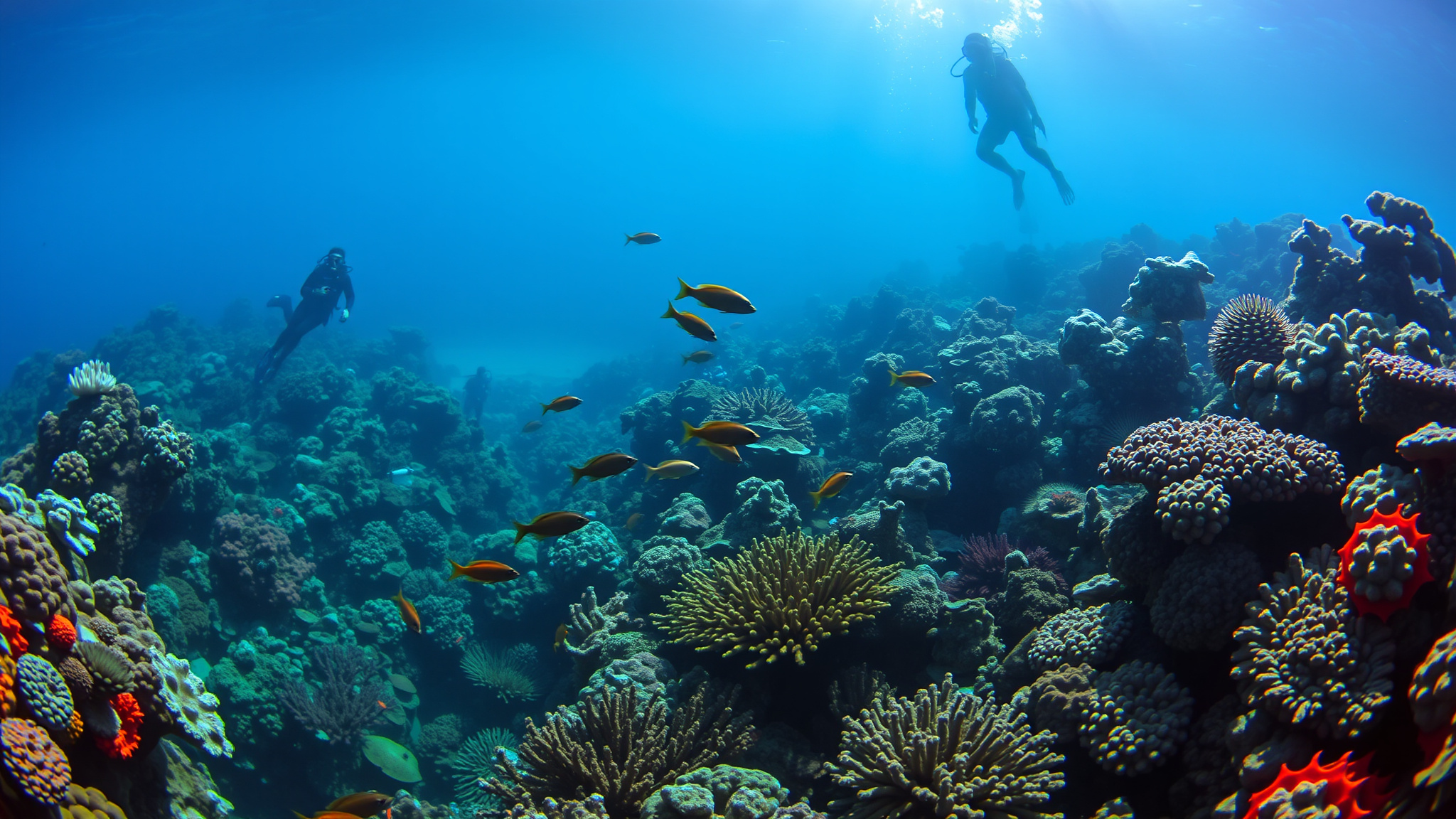
Many coastal communities rely heavily on tourism generated by healthy coral reefs. Activities like snorkeling and scuba diving attract tourists to these vibrant ecosystems. However, as coral reefs deteriorate due to bleaching, the appeal for tourists diminishes, leading to economic losses that can impact local businesses and communities.
Food Security and Coral Reefs
Coral reefs are vital for food security, especially in developing nations where fish constitute a primary source of protein. As reef health declines, fish populations may drop, leading to increased food scarcity. This situation can exacerbate poverty and malnutrition, particularly in regions where alternative food sources are limited.
Conservation Efforts and Solutions
Addressing the silent crisis of coral bleaching requires a multifaceted approach. Conservation efforts focus on reducing the stressors that contribute to bleaching, such as climate change, pollution, and unsustainable fishing practices. Protecting marine areas and promoting sustainable tourism can also help mitigate the impacts of bleaching.
Marine Protected Areas (MPAs)
Establishing Marine Protected Areas is a key strategy in conserving coral reefs. MPAs restrict human activities such as fishing and boating in designated zones, allowing ecosystems to recover and thrive. Research shows that well-managed MPAs can enhance coral resilience to bleaching, providing a refuge for marine life.
Community Engagement and Education
Engaging local communities in reef conservation is essential for the success of any initiative. Education programs can raise awareness about the importance of coral reefs and sustainable practices. Involving local fishermen in conservation efforts can lead to better management of fish stocks and sustainable harvesting techniques.
FAQs
What are the signs of coral bleaching?
Signs of coral bleaching include a noticeable loss of color, which results in a white appearance. Affected corals may also be more susceptible to disease and experience increased mortality rates.
How does climate change contribute to coral bleaching?
Climate change leads to rising ocean temperatures, which is a primary driver of coral bleaching. Warmer waters cause stress to corals, resulting in the expulsion of their symbiotic algae.
Can corals recover from bleaching?
Corals can recover from bleaching if the stressors are removed and conditions improve. However, repeated bleaching events can lead to permanent damage and loss of the coral population.
What is the role of zooxanthellae in coral health?
Zooxanthellae are crucial for coral health as they provide energy through photosynthesis. They also contribute to the coral’s vibrant colors and help in nutrient cycling within the reef ecosystem.
What can individuals do to help prevent coral bleaching?
Individuals can help prevent coral bleaching by reducing their carbon footprint, avoiding single-use plastics, and supporting sustainable seafood practices. Participating in beach clean-ups and advocating for marine conservation initiatives are also effective ways to contribute.
Conclusion
The silent crisis of coral bleaching poses a significant threat to marine ecosystems and human livelihoods. Understanding the causes, impacts, and potential solutions is essential for fostering a collective response to this urgent challenge. By advocating for conservation efforts and adopting sustainable practices, we can work towards protecting coral reefs and preserving the rich biodiversity they support for future generations. The time to act is now, as the health of our oceans depends on our commitment to safeguarding these vital ecosystems.