
The anglerfish, a captivating inhabitant of the deep sea, is renowned for its unique adaptations and predatory strategies. This elusive creature, characterized by its bioluminescent lure and grotesque appearance, offers a glimpse into the mysterious world of deep-sea life. As researchers delve into the secrets of this fascinating predator, they uncover stories that challenge our understanding of survival in the ocean’s depths. This article explores the anglerfish’s biology, behavior, and the ecosystems it inhabits, inviting readers to discover why this remarkable species stands out among deep-sea dwellers.
Understanding the Anglerfish
The anglerfish belongs to the order Lophiiformes, comprising over 200 species. These fish are primarily found in the dark depths of the ocean, often at depths between 200 to 2,000 feet. Their adaptations to this extreme environment are nothing short of extraordinary.
Physical Characteristics
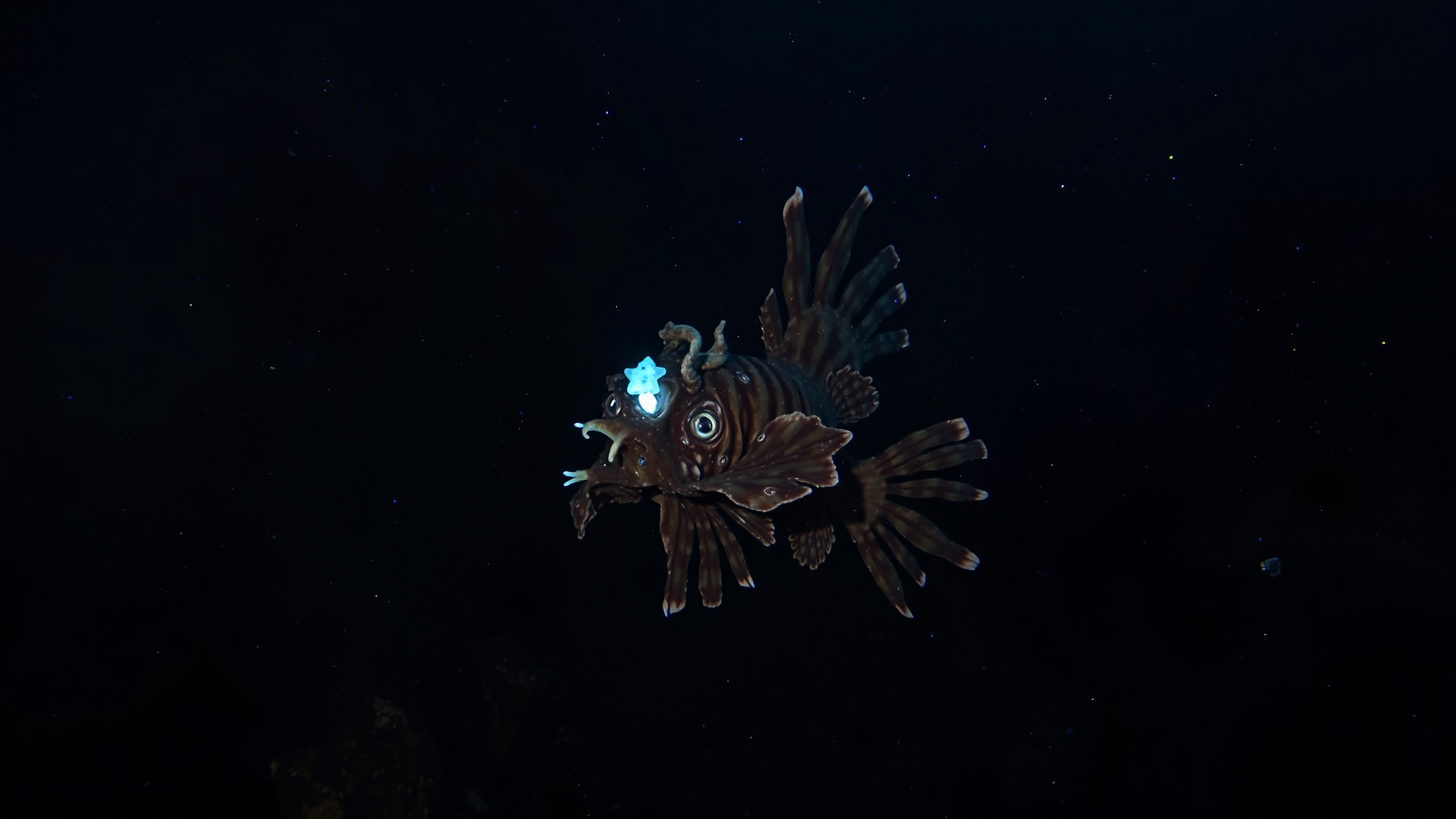
Anglerfish exhibit a range of sizes and shapes, but they share common traits that define them. Most notably, they possess a distinctive lure, or esca, which protrudes from their heads. This lure is often bioluminescent, allowing the fish to attract prey in the dark waters. The size of the anglerfish can vary significantly, with some species measuring just a few inches while others can grow up to three feet long.
Habitat and Distribution
Anglerfish inhabit various marine environments, from deep-sea trenches to continental shelves. They are most commonly found in the Atlantic and Antarctic Oceans, but some species inhabit the Pacific and Indian Oceans as well. Their preference for dark, cold waters makes them difficult to study, which has contributed to their mysterious reputation.
Feeding Habits and Predatory Strategies
As proficient predators, anglerfish have evolved unique hunting techniques that enable them to thrive in their challenging environment. Their predatory behavior is a key aspect of their survival.
Bioluminescent Lure
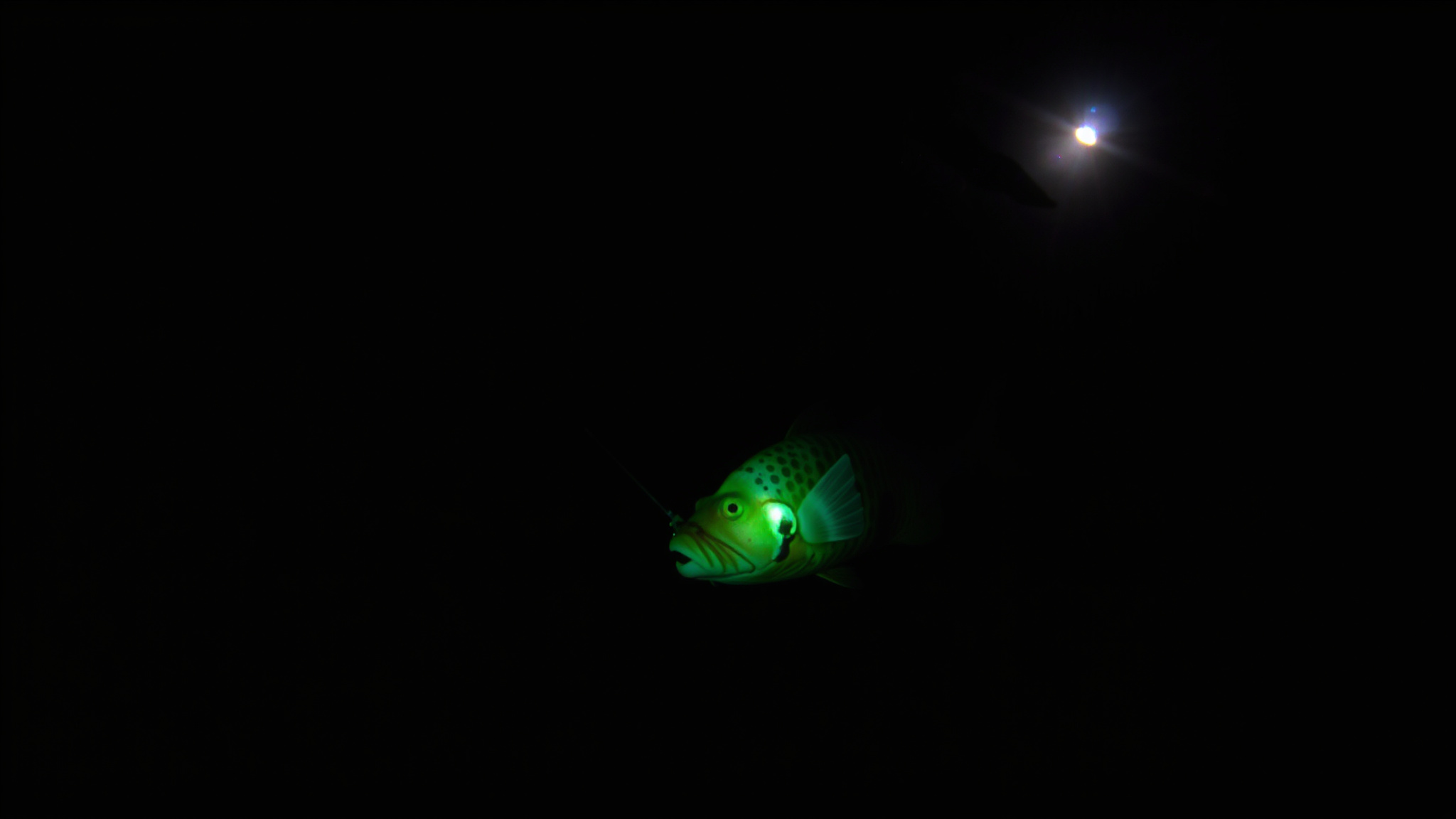
The anglerfish’s most iconic feature is its bioluminescent lure, which it uses to attract prey. The light emitted from the lure is generated by bioluminescent bacteria that live symbiotically within the anglerfish. When small fish or other marine organisms approach, drawn by the light, the anglerfish strikes swiftly, using its expansive mouth and sharp teeth to ensnare its meal.
Camouflage and Ambush Tactics
In addition to its lure, the anglerfish employs camouflage as a hunting strategy. Its body is often covered in skin flaps, mimicking the surrounding environment, which allows it to blend in with the ocean floor. This adaptation is crucial for ambushing unsuspecting prey, providing the anglerfish with an advantage in its dark habitat.
Reproductive Strategies
Sexual Dimorphism
Anglerfish exhibit extreme sexual dimorphism, where females are significantly larger than males. In many species, males are much smaller and have a unique role during reproduction. Upon finding a female, a male anglerfish will latch onto her body, often fusing with her skin. This relationship allows the male to share nutrients and ensure reproductive success.
Egg Laying and Development
Female anglerfish typically lay thousands of eggs, which float freely in the water column. The eggs are often covered with a gelatinous substance that provides some protection. After hatching, the larvae are planktonic and undergo several transformations before becoming the well-known adults. This lengthy and perilous development process highlights the challenges faced by anglerfish in their early life stages.
Ecological Role and Importance
Anglerfish play a crucial role in the marine ecosystem, contributing to the balance of deep-sea food webs. Their predatory nature ensures that populations of prey species are kept in check, while their interactions with other organisms demonstrate the interconnectedness of marine life.
Prey and Predator Dynamics
As predators, anglerfish help regulate the populations of smaller fish and invertebrates in their environment. Their unique feeding strategies also provide insights into the evolutionary adaptations that occur in response to predation pressures. In turn, anglerfish themselves are prey for larger deep-sea predators, showcasing their role in the food chain.
Indicators of Ocean Health
Studying anglerfish can provide valuable information about the health of deep-sea ecosystems. As sensitive indicators of environmental changes, shifts in anglerfish populations may signal changes in ocean conditions, such as temperature and pollution levels. Understanding these dynamics is essential for marine conservation efforts.
FAQs
What do anglerfish eat?
Anglerfish primarily feed on smaller fish, crustaceans, and other marine organisms that are drawn to their bioluminescent lure. Their unique hunting strategies enable them to capture a variety of prey in the deep sea.
Are anglerfish dangerous to humans?
Anglerfish are not dangerous to humans. They inhabit deep ocean environments and rarely come into contact with people. Their unique adaptations and predatory behavior are designed for survival in their natural habitat.
How do anglerfish reproduce?
Anglerfish reproduce through a unique process where males attach to females, often fusing with them to ensure a continuous supply of sperm. This adaptation allows for successful reproduction in the challenging conditions of the deep sea.
Why are anglerfish so unique?
Anglerfish are unique due to their bioluminescent lure, extreme sexual dimorphism, and remarkable adaptations for survival in the deep sea. Their predatory strategies and reproductive habits make them a fascinating subject of study in marine biology.
Conclusion
The anglerfish embodies the mysteries and wonders of deep-sea life. Its extraordinary adaptations, from bioluminescent lures to unique reproductive strategies, highlight the remarkable ways in which life can thrive in extreme conditions. As we continue to explore the depths of our oceans, understanding the biology and ecology of species like the anglerfish becomes increasingly important. These deep-sea predators not only intrigue us with their bizarre appearances but also play vital roles in maintaining the balance of ocean ecosystems. Through ongoing research and conservation efforts, we can ensure that the secrets of the anglerfish and its habitat are preserved for future generations.