
The ocean, a vast and mysterious realm, is home to a variety of creatures, but few are as captivating as its apex predators. These top-tier hunters play a crucial role in maintaining the balance of marine ecosystems. Understanding who rules the seas not only illuminates the intricate web of life beneath the waves but also highlights the importance of conservation efforts to protect these remarkable species. In this article, we will explore the characteristics, behaviors, and significance of the apex predators of the ocean.
Understanding Apex Predators
Apex predators are species that sit at the top of the food chain in their respective ecosystems. They have no natural predators and play a vital role in regulating populations of other marine life. By controlling the numbers of prey species, they help maintain the ecological balance necessary for a healthy ocean environment.
The Role of Apex Predators in Marine Ecosystems
The presence of apex predators influences the behavior and population dynamics of other marine species. For example, when shark populations decline, there can be an overabundance of smaller fish species, which may lead to the depletion of vital underwater vegetation. This phenomenon, known as trophic cascade, illustrates how interconnected marine life is and emphasizes the importance of protecting apex predators.
Characteristics of Apex Predators
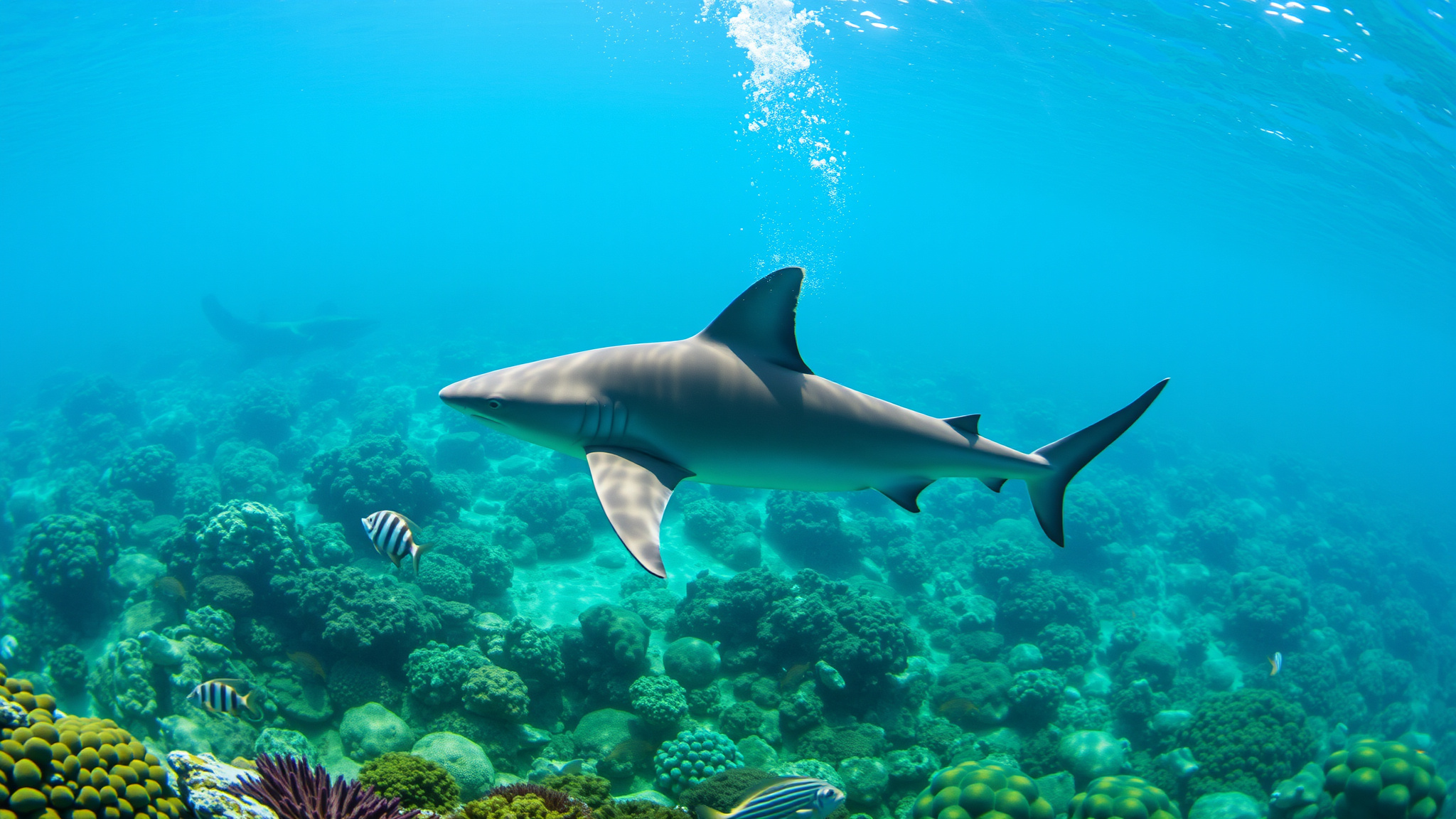
Apex predators possess unique adaptations that make them effective hunters. These include keen senses, superior speed, and powerful physical attributes. For instance, sharks have an acute sense of smell that allows them to detect prey from miles away. Similarly, orcas, or killer whales, exhibit advanced social structures and cooperative hunting techniques, enabling them to tackle larger prey.
Prominent Apex Predators of the Ocean
Several species dominate the ocean as apex predators, each with distinct characteristics and hunting methods. Let’s take a closer look at some of the most notable ones.
Great White Shark
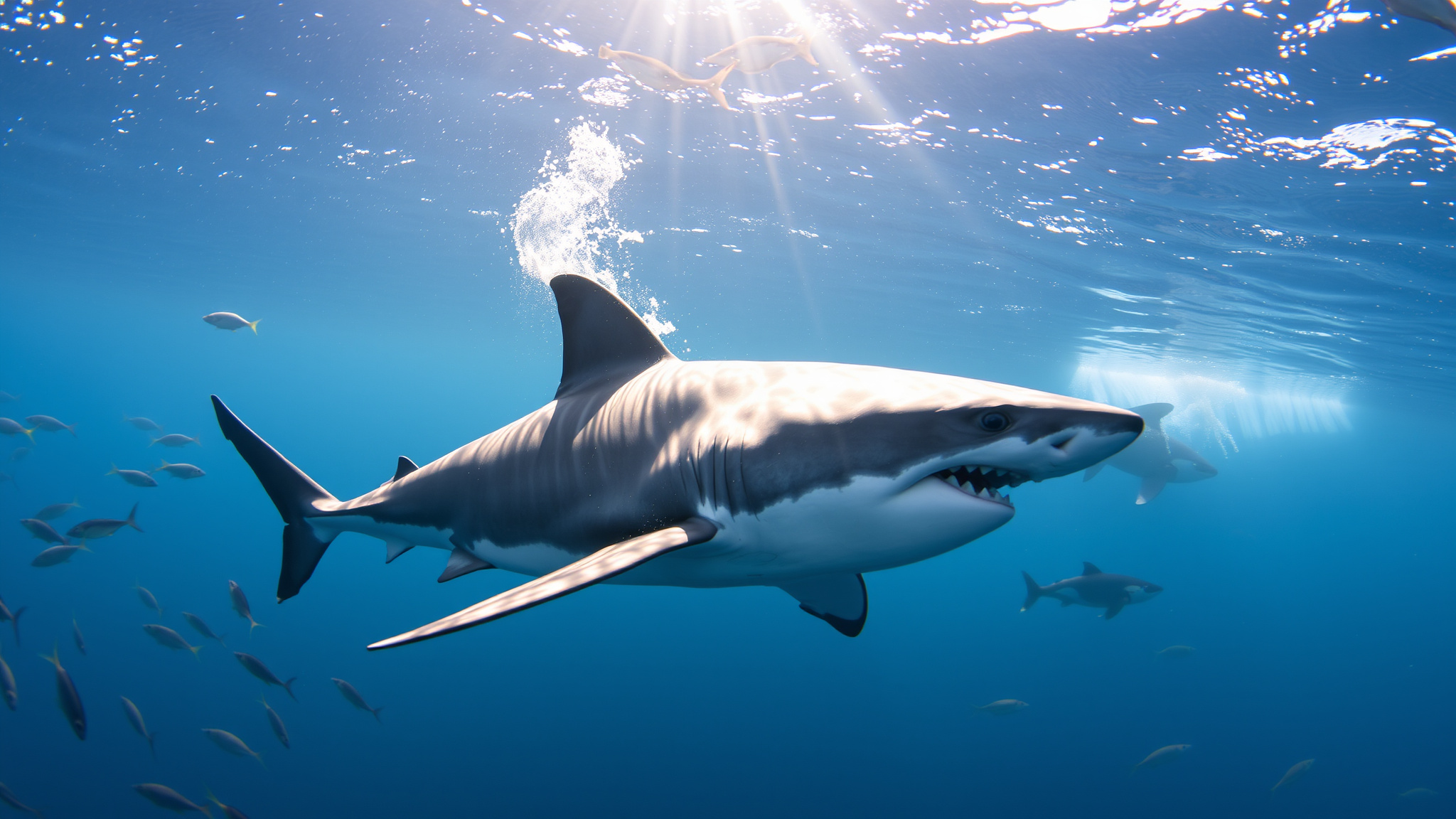
The great white shark is perhaps the most well-known apex predator. Renowned for its size and power, it can grow up to 20 feet long. Great whites are opportunistic feeders, often targeting seals and sea lions, which they hunt with incredible speed and agility. Their presence in marine ecosystems is critical for regulating populations of these prey species.
Orca (Killer Whale)
Orcas are highly intelligent and social animals that live in family groups called pods. They are versatile hunters, known to prey on fish, seals, and even whales. Their cooperative hunting strategies, including the use of echolocation, make them formidable predators. Orcas are also known for their complex social structures and cultural behaviors, which vary between different pods.
Saltwater Crocodile
The saltwater crocodile is the largest living reptile and an apex predator in coastal and riverine environments. They are ambush hunters, using their powerful jaws to catch prey such as fish, birds, and mammals. Their ability to thrive in both saltwater and freshwater habitats allows them to dominate a wide range of ecosystems.
Tiger Shark
Tiger sharks are known for their distinctive striped pattern and opportunistic feeding habits. They possess a varied diet that includes fish, sea turtles, and even debris. Their adaptability and effective hunting skills make them important players in maintaining the health of marine ecosystems.
Leopard Seal
Leopard seals are formidable predators of the Antarctic waters. They primarily feed on penguins and other seals, showcasing their agility and strength while hunting. With their powerful jaws and impressive swimming skills, they play a crucial role in controlling the populations of their prey in icy environments.
Conservation of Apex Predators
The conservation of apex predators is vital for the health of marine ecosystems. Overfishing, habitat destruction, and climate change pose significant threats to their populations. Protecting these species ensures the stability of the ocean food web and the overall health of marine life.
Threats Faced by Apex Predators
Apex predators often face numerous threats, including illegal fishing practices and habitat degradation. The decline of shark populations due to finning and overfishing has led to a ripple effect in marine ecosystems. Additionally, climate change impacts the availability of prey and alters habitats, further endangering these vital species.
Conservation Efforts
Numerous organizations and governments are working to protect apex predators and their habitats. Efforts include establishing marine protected areas, enforcing fishing regulations, and raising public awareness about the importance of these species. These initiatives are crucial for sustaining the populations of apex predators and preserving the health of oceans worldwide.
FAQs
What defines an apex predator?
An apex predator is defined as a species that occupies the highest trophic level in its ecosystem, having no natural predators and playing a crucial role in regulating the populations of other species.
Why are apex predators important?
Apex predators are important because they help maintain the balance of ecosystems by controlling the populations of prey species. This balance is essential for the health and stability of marine environments.
How do apex predators impact the ocean ecosystem?
Apex predators impact the ocean ecosystem by influencing the behavior and population sizes of other marine organisms. Their presence can prevent overpopulation of certain species, which in turn protects the biodiversity of the ecosystem.
What are some threats to apex predators?
Some threats to apex predators include overfishing, habitat loss, pollution, and climate change. These factors can lead to declines in their populations and disrupt the balance of marine ecosystems.
Conclusion
Apex predators are essential guardians of the ocean, maintaining the delicate balance of marine ecosystems. From the formidable great white shark to the intelligent orca, these species showcase the diversity and complexity of life beneath the waves. As we continue to face environmental challenges, it is imperative to prioritize the conservation of these apex predators, ensuring the health and sustainability of our oceans for future generations. Understanding their role not only enriches our knowledge of marine life but also highlights the responsibility we hold in protecting these magnificent creatures.