
Killer whales, also known as orcas, are not just one of the ocean’s top predators; they are also remarkable, highly intelligent creatures that exhibit complex social behaviors and sophisticated hunting techniques. Their unique adaptations and cooperative strategies make them the masterminds of ocean hunting, captivating researchers and wildlife enthusiasts alike. This article delves into the fascinating world of killer whales, exploring their hunting methods, social structures, and the environmental challenges they face.
Understanding Killer Whales
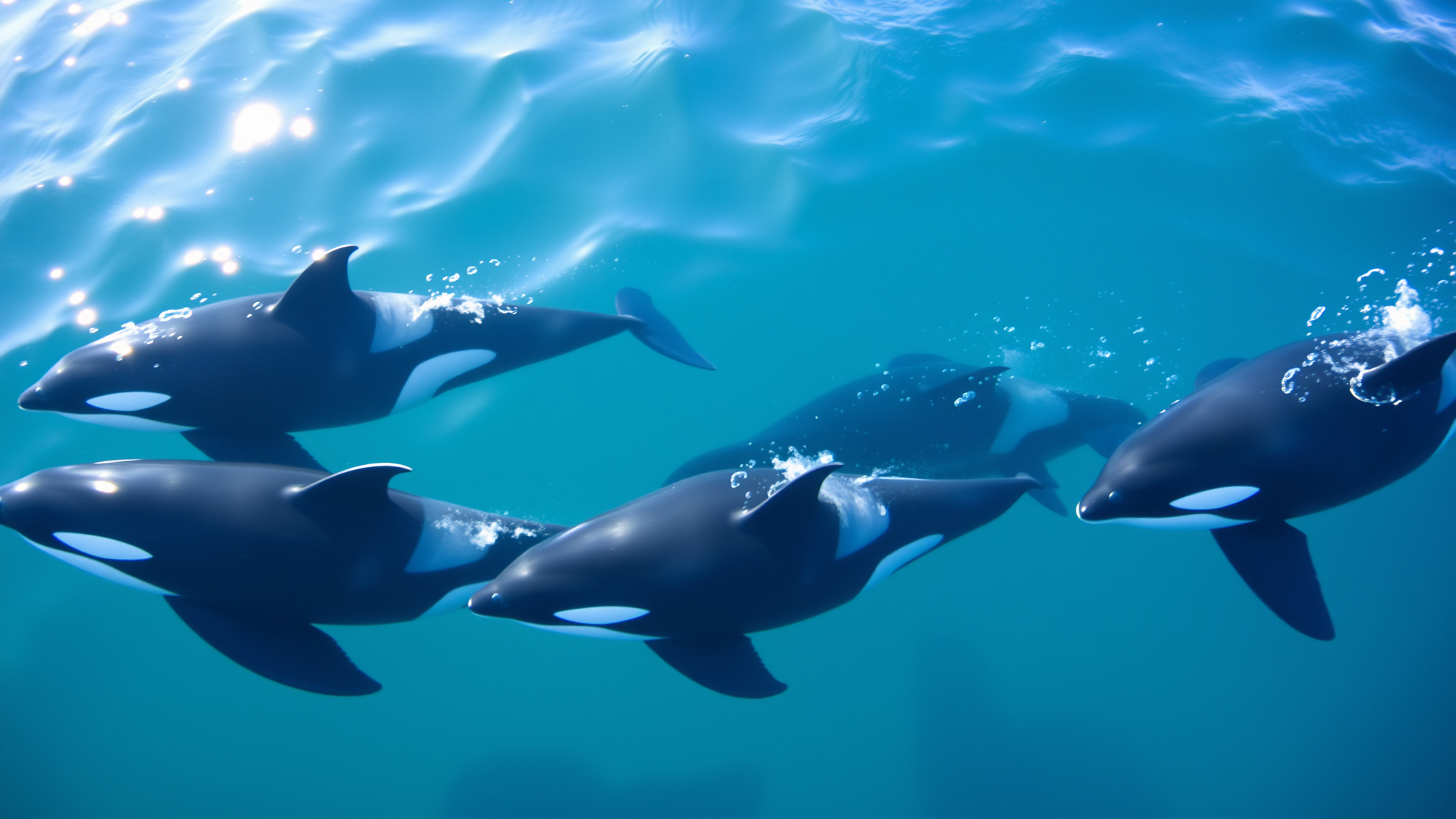
Killer whales belong to the dolphin family and are found in oceans worldwide. These apex predators are known for their striking black and white coloration, which plays a role in their hunting techniques. Their size ranges from 16 to 32 feet long, and they can weigh up to 12,000 pounds. Their social structure is complex, often consisting of family groups called pods, which can include up to 40 individuals.
Physical Characteristics and Adaptations
Killer whales possess several physical adaptations that enhance their hunting skills. Their powerful bodies are designed for speed and agility in the water, allowing them to chase down fast-moving prey. The large dorsal fin, which can reach up to 6 feet in males, helps with stability and maneuverability. Additionally, their echolocation abilities enable them to detect prey even in murky waters, making them effective hunters.
Social Structure and Communication
Killer whales are known for their intricate social dynamics. They live in matriarchal pods, where older females often lead the group. Communication among pod members is vital, and killer whales use a series of clicks, whistles, and body movements to convey messages. This social structure plays a critical role in their hunting strategies, as coordinated efforts increase their success rates when targeting large prey.
Hunting Techniques of Killer Whales
The hunting techniques employed by killer whales are diverse and highly specialized, often varying by region and prey type. Their cooperative hunting strategies showcase their intelligence and adaptability, making them some of the most successful hunters in the ocean.
Cooperative Hunting Strategies
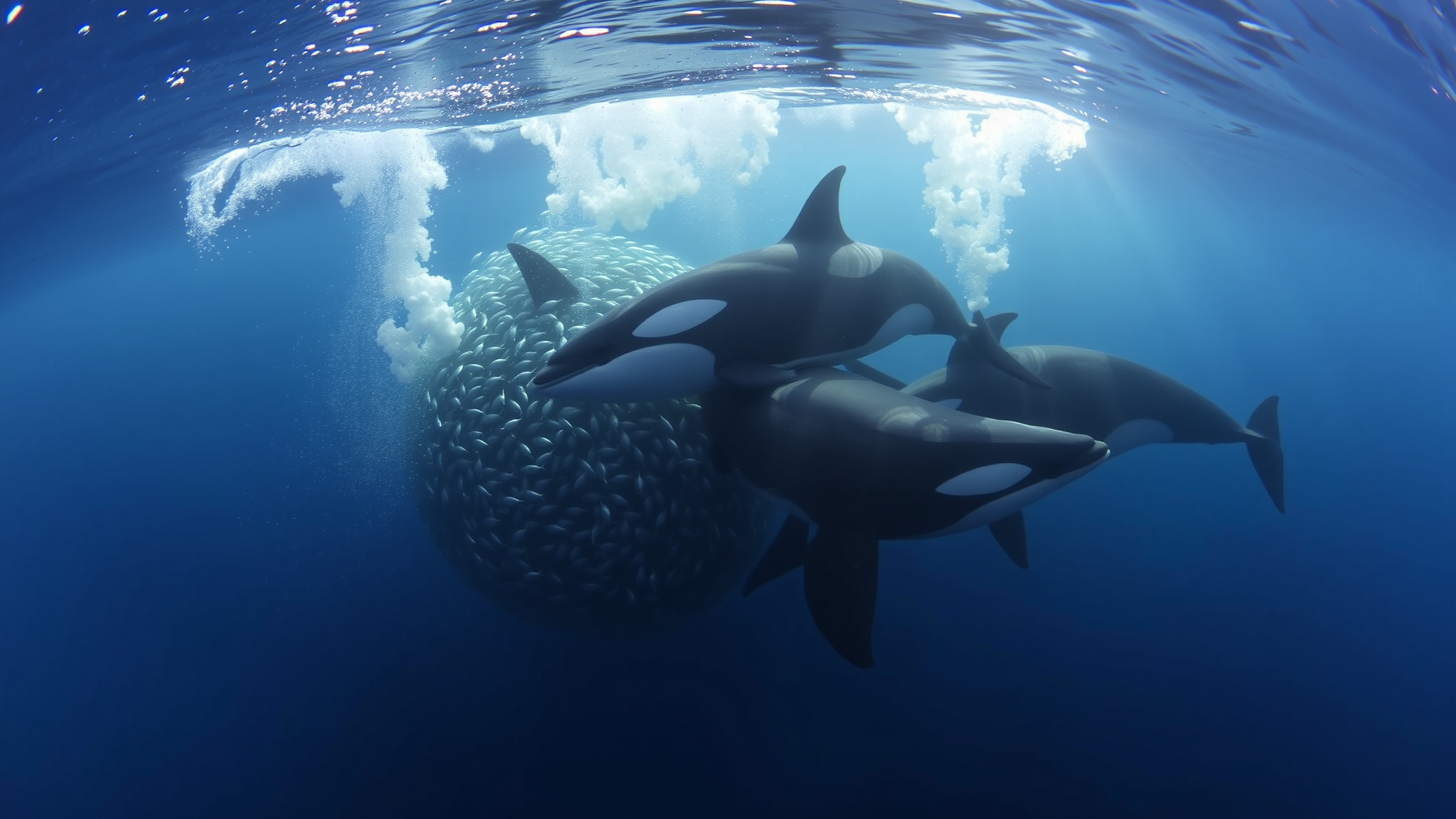
Killer whales often hunt in groups, coordinating their movements to encircle and capture prey. One remarkable technique is called “carousel feeding,” where they create a circle of bubbles to corral fish into a tight ball, making it easier for the pod to catch them. This teamwork not only demonstrates their social cohesion but also boosts their efficiency in hunting.
Specialized Prey Targeting
Different pods have been known to specialize in hunting particular prey species. For instance, some pods focus on hunting seals, while others may target larger marine mammals like whales. One notable example is the transient killer whales in the Pacific Northwest, which primarily hunt seals and sea lions, employing stealth and speed to catch their prey off guard.
The Role of Killer Whales in Ocean Ecosystems
Killer whales play a crucial role in maintaining the balance of marine ecosystems. As apex predators, they help regulate the populations of other marine species, contributing to the health of ocean habitats. Their predation can influence the behavior and distribution of prey species, which in turn affects the entire ecosystem.
Impact on Prey Species
The presence of killer whales can significantly impact the behavior and population dynamics of their prey. For example, when killer whales are hunting seals, these mammals may alter their foraging strategies and diving behaviors to avoid predation. Such changes can have cascading effects on the marine environment, influencing everything from fish populations to the health of sea grass beds.
Conservation Status and Threats
Despite their status as apex predators, killer whales face numerous challenges. Environmental changes, pollution, and depletion of prey species due to overfishing threaten their survival. Additionally, noise pollution from shipping and naval activity disrupts their communication and hunting strategies. Conservation efforts are essential to ensure the continued existence of these magnificent creatures and the health of marine ecosystems.
FAQs
What do killer whales eat?
Killer whales are opportunistic feeders and have a diverse diet that includes fish, squid, seals, sea lions, and even larger whales. Their diet often varies depending on their pod and geographical location.
How do killer whales communicate with each other?
Killer whales use a range of vocalizations, including clicks, whistles, and pulsed calls, to communicate with one another. They also use body language, such as breaching and tail slapping, to convey messages within their pods.
Are killer whales dangerous to humans?
While killer whales are powerful predators, they are not typically a threat to humans in the wild. Most interactions between killer whales and humans occur in marine parks, where some captive individuals have shown aggressive behavior, often related to stress and confinement.
What is the lifespan of a killer whale?
In the wild, female killer whales can live up to 90 years or more, while males typically have a shorter lifespan, averaging around 50 to 60 years. Their longevity is influenced by factors such as social structure, environmental conditions, and availability of prey.
Conclusion
Killer whales are truly the masterminds of ocean hunting, showcasing incredible intelligence and social cooperation in their pursuit of prey. Their unique adaptations and diverse hunting strategies not only make them formidable predators but also highlight their vital role in marine ecosystems. As they face increasing threats from human activities, understanding and protecting these magnificent creatures is crucial for the health of our oceans. By fostering conservation efforts, we can ensure that future generations will continue to marvel at the prowess of killer whales in the wild.