
The role of ocean predators in maintaining a healthy marine ecosystem is crucial yet often overlooked. These apex predators, which include species like sharks, tuna, and orcas, play a significant part in regulating the populations of various marine organisms. Understanding their impact can shed light on the delicate balance of marine life and the importance of preserving these species for the health of our oceans.
Understanding Ocean Predators
Ocean predators are typically defined as carnivorous species that hunt and consume other marine organisms. They occupy the top tiers of the food chain, influencing the dynamics of marine populations. By preying on herbivores and smaller predators, they help to maintain the balance of marine ecosystems.
The Role of Apex Predators
Apex predators, such as sharks and large fish, play a pivotal role in the health of marine ecosystems. By controlling the population of herbivores, they prevent overgrazing of essential plant life like seagrasses and kelp forests. This balance promotes biodiversity and keeps habitats healthy.
Examples of Key Ocean Predators
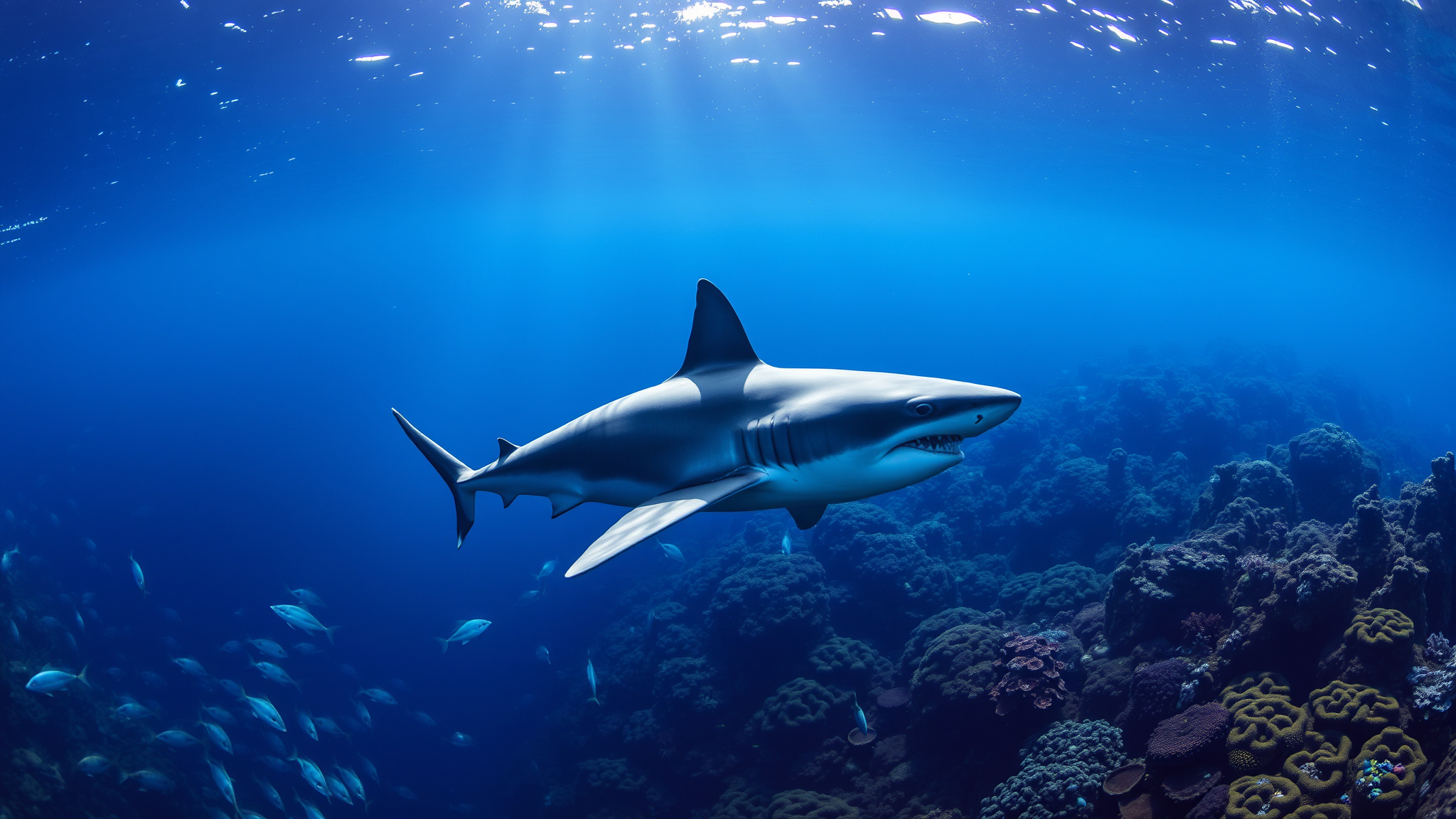
Sharks are perhaps the most well-known apex predators in the ocean. For instance, the great white shark regulates seal populations, which, in turn, affects the abundance of smaller fish. Tuna, another significant predator, helps control the populations of smaller fish and crustaceans, ensuring that no single species dominates the ecosystem.
Impact of Ocean Predators on Food Webs
The interactions between predators and their prey are vital for the stability of marine food webs. Ocean predators not only affect the populations of their prey but also influence the behavior and distribution of these species.
Top-Down Control in Marine Ecosystems
Top-down control refers to the regulatory effect that predators have on the structure of the ecosystem. For example, when shark populations decline, the resulting increase in herbivore species can lead to overgrazing, which diminishes vital underwater vegetation. This can create a cascade of negative effects throughout the entire ecosystem.
Case Study: The Decline of Sharks
Research has shown that the decline of shark populations has led to significant changes in marine ecosystems. In places where sharks have been overfished, the increase in prey species like rays and smaller fish has resulted in the destruction of coral reefs, as these species overconsume the organisms that help maintain reef health.

Ecological Benefits of Healthy Predator Populations
Maintaining healthy populations of ocean predators contributes to ecological balance and biodiversity. Diverse marine ecosystems are more resilient to changes and threats, such as climate change and pollution.
Promoting Biodiversity
A robust predator population fosters biodiversity by controlling the abundance of various species. This biodiversity is essential for ecosystem resilience, allowing marine environments to recover from disturbances more effectively. For instance, a diverse array of fish species can better withstand diseases and environmental stresses than a monoculture.
Importance of Species Interactions
Predators also facilitate important species interactions that contribute to ecosystem health. For example, by preying on sick or weak individuals within prey populations, predators help maintain the overall health of those populations, ensuring that only the fittest survive and reproduce.
Threats to Ocean Predators
Despite their crucial role, ocean predators face numerous threats that jeopardize their populations and, consequently, the health of marine ecosystems. Understanding these threats is essential for effective conservation efforts.
Overfishing and Bycatch
Overfishing is one of the most significant threats to ocean predators. Many species, such as sharks and tuna, are targeted for their meat and fins, leading to drastic population declines. Additionally, bycatch, which refers to the unintentional capture of non-target species during fishing, further exacerbates the problem by harming predator populations.
Habitat Loss and Climate Change
Habitat loss due to coastal development, pollution, and climate change also poses a significant threat to ocean predators. Coral reefs, essential habitats for many predator species, are particularly vulnerable to the impacts of rising sea temperatures and acidification. As these habitats degrade, the fish populations that rely on them decline, affecting the predators that feed on them.
Conservation Efforts for Ocean Predators
Efforts to conserve ocean predators are critical for maintaining healthy marine ecosystems. Effective conservation strategies include establishing marine protected areas and implementing sustainable fishing practices.
Marine Protected Areas (MPAs)
Marine protected areas are designated regions where human activities are restricted to protect marine life. MPAs can provide safe havens for predators, allowing their populations to recover and thrive. Research has shown that these areas can lead to increased biodiversity and improved ecosystem health.
Sustainable Fishing Practices
Implementing sustainable fishing practices can help mitigate the threats faced by ocean predators. Techniques such as catch limits, selective fishing gear, and monitoring fish populations can reduce overfishing and bycatch. Ensuring that fishing methods are environmentally friendly is crucial for preserving predator populations.
FAQs
Why are ocean predators important for marine ecosystems?
Ocean predators are vital for regulating prey populations, which helps maintain the balance of marine ecosystems. Their presence ensures biodiversity and contributes to the overall health of the ocean.
What impact does overfishing have on ocean predators?
Overfishing can lead to significant declines in predator populations, disrupting the balance of marine ecosystems. This can result in overpopulation of prey species and subsequent harm to habitats.
How do marine protected areas help ocean predators?
Marine protected areas provide safe environments for ocean predators, allowing their populations to recover. These zones help maintain biodiversity and promote the resilience of marine ecosystems.
Conclusion
The role of ocean predators in maintaining a healthy marine ecosystem is indispensable. By regulating prey populations and fostering biodiversity, these apex predators contribute significantly to the balance and resilience of marine environments. Protecting ocean predators through conservation efforts is essential for ensuring the continued health of our oceans and the myriad of life they support.