
The deep sea remains one of the most enigmatic and least explored regions on our planet, covering over 60% of the Earth’s surface. Recent advancements in technology and exploration techniques have unveiled astonishing discoveries that challenge our understanding of marine biology, geology, and ecosystems. As researchers venture into this dark and alien world, they uncover new species, geothermal phenomena, and insights into climate change. This article delves into the latest findings in deep-sea exploration and their implications for science and society.
The Importance of Deep Sea Exploration
Deep sea exploration is crucial for multiple reasons, ranging from biodiversity conservation to climate change research. The ocean is a significant carbon sink, influencing global temperatures and weather patterns. Understanding the deep-sea ecosystems can provide insights into how these vital systems function and how they may respond to environmental changes.
Uncovering Biodiversity
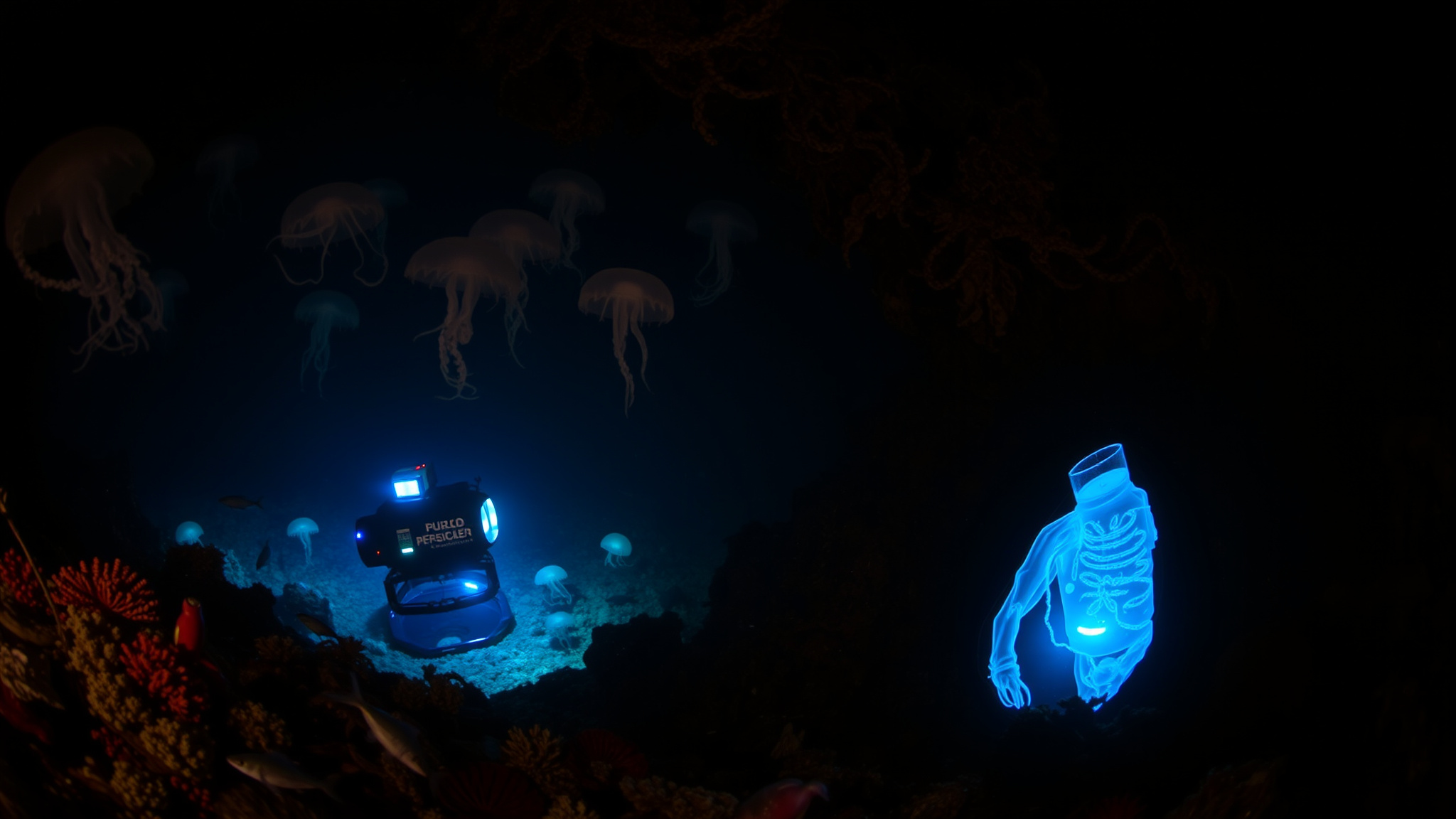
One of the most compelling aspects of deep-sea exploration is the discovery of new species. Recent expeditions have identified thousands of previously unknown marine organisms, including bizarre creatures like the giant squid and bioluminescent jellyfish. For example, researchers from the Schmidt Ocean Institute discovered over 30 new species during their 2019 expedition to the Coral Sea. These findings highlight the importance of preserving marine habitats, as many species may be at risk from human activities.
Geological Discoveries
The deep ocean is not just a biological frontier; it is also rich in geological wonders. Hydrothermal vents, for instance, are unique ecosystems that support life forms thriving in extreme conditions. These vents release mineral-rich water heated by volcanic activity, fostering diverse communities of organisms. Recent studies have shown that these environments can also provide insights into the Earth’s geological history and the processes that shape our planet.
Technological Advancements in Exploration
Advancements in technology have revolutionized deep-sea exploration. Autonomous underwater vehicles (AUVs) and remotely operated vehicles (ROVs) are now essential tools for researchers. These devices can reach depths previously deemed inaccessible, collecting valuable data without risking human life.
Mapping the Ocean Floor
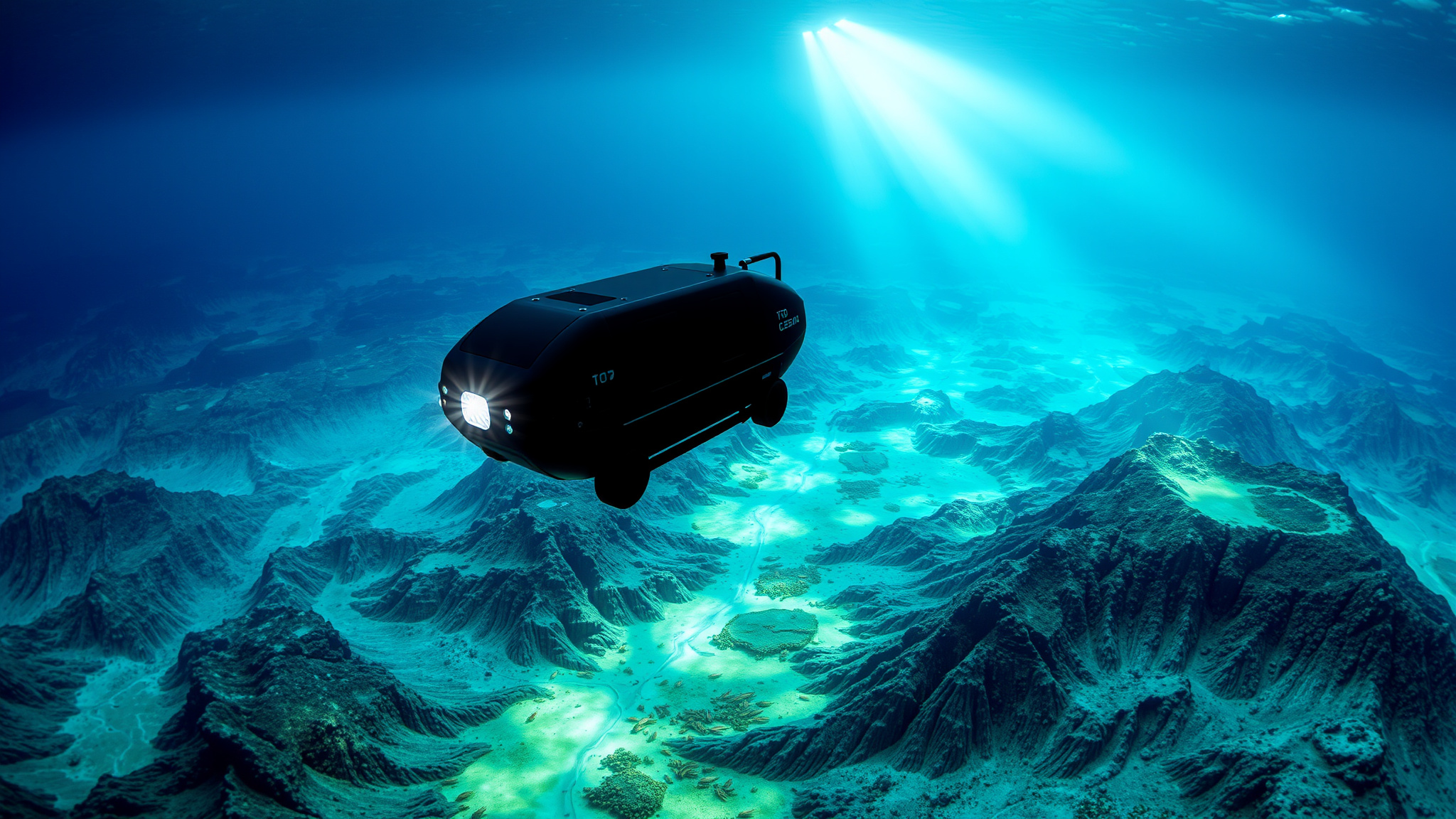
High-resolution sonar mapping technology has enabled scientists to create detailed maps of the ocean floor. These maps reveal underwater features such as mountains, valleys, and ecosystems that were previously unknown. For instance, the Seabed 2030 initiative aims to map the entire ocean floor by 2030, providing invaluable data for research and conservation efforts.
Sample Collection and Analysis
Modern exploration tools also allow for efficient sample collection. Scientists can gather sediment, water, and biological samples from the deep sea, which are then analyzed to understand the chemical and biological processes occurring in these remote environments. These analyses can help identify how climate change is affecting deep-sea ecosystems and inform conservation strategies.
Implications for Climate Change Research
The deep sea plays a crucial role in regulating the Earth’s climate, absorbing carbon dioxide and heat from the atmosphere. Understanding how deep-sea ecosystems function can help predict the impacts of climate change and inform mitigation strategies.
Carbon Sequestration
Research has shown that deep-sea environments, such as the ocean floor and sediments, play a significant role in carbon sequestration. Marine life, like phytoplankton, absorbs carbon dioxide during photosynthesis, and when they die, their bodies sink to the depths, effectively trapping carbon. Understanding this process is vital for developing strategies to combat climate change.
Effects of Ocean Acidification
As carbon dioxide levels rise, the oceans absorb more CO2, leading to ocean acidification. This phenomenon can adversely affect marine life, particularly organisms with calcium carbonate shells, such as corals and some shellfish. Research in deep-sea environments provides insights into how these organisms adapt or decline in response to changing conditions, informing coastal and marine conservation efforts.
FAQs
What are some of the most significant discoveries in deep sea exploration?
Recent discoveries include new species of marine life, unique ecosystems around hydrothermal vents, and previously unknown geological features. Notably, the discovery of vast underwater mountains and canyons has reshaped our understanding of ocean geology.
How do researchers explore the deep ocean?
Researchers use a combination of autonomous underwater vehicles (AUVs), remotely operated vehicles (ROVs), and manned submersibles to explore the deep ocean. These technologies allow scientists to gather data, capture images, and collect samples from extreme depths.
Why is deep sea exploration important for climate change?
Deep sea ecosystems play a critical role in carbon sequestration, helping to mitigate climate change. Understanding these ecosystems can provide insights into how they respond to environmental changes, enabling better conservation strategies to protect them.
What challenges do scientists face in deep sea research?
Challenges include extreme pressure, darkness, and cold temperatures, which make exploration difficult and expensive. Additionally, the remote nature of the deep sea poses logistical challenges in terms of accessing these environments and collecting data.
Conclusion
Exploring the abyss of the deep sea opens a window into a world of discovery that has the potential to reshape our understanding of life and the planet. Recent advancements in technology have led to significant discoveries about biodiversity, geological features, and the impacts of climate change. As we continue to explore these uncharted territories, the knowledge gained will be essential not only for scientific advancement but also for the conservation of our planet’s vital resources. The deep sea is not just a distant frontier; it is a crucial part of our global ecosystem that requires our attention and protection.