
Overfishing has become a pressing global issue, significantly impacting marine ecosystems and threatening various ocean species with extinction. As fishing practices grow more intensive and unsustainable, the delicate balance of ocean life is disrupted, leading to alarming declines in fish populations and other marine organisms. This article delves into the causes of overfishing, its effects on ocean species, and the urgent need for sustainable practices to preserve our oceans.
Understanding Overfishing
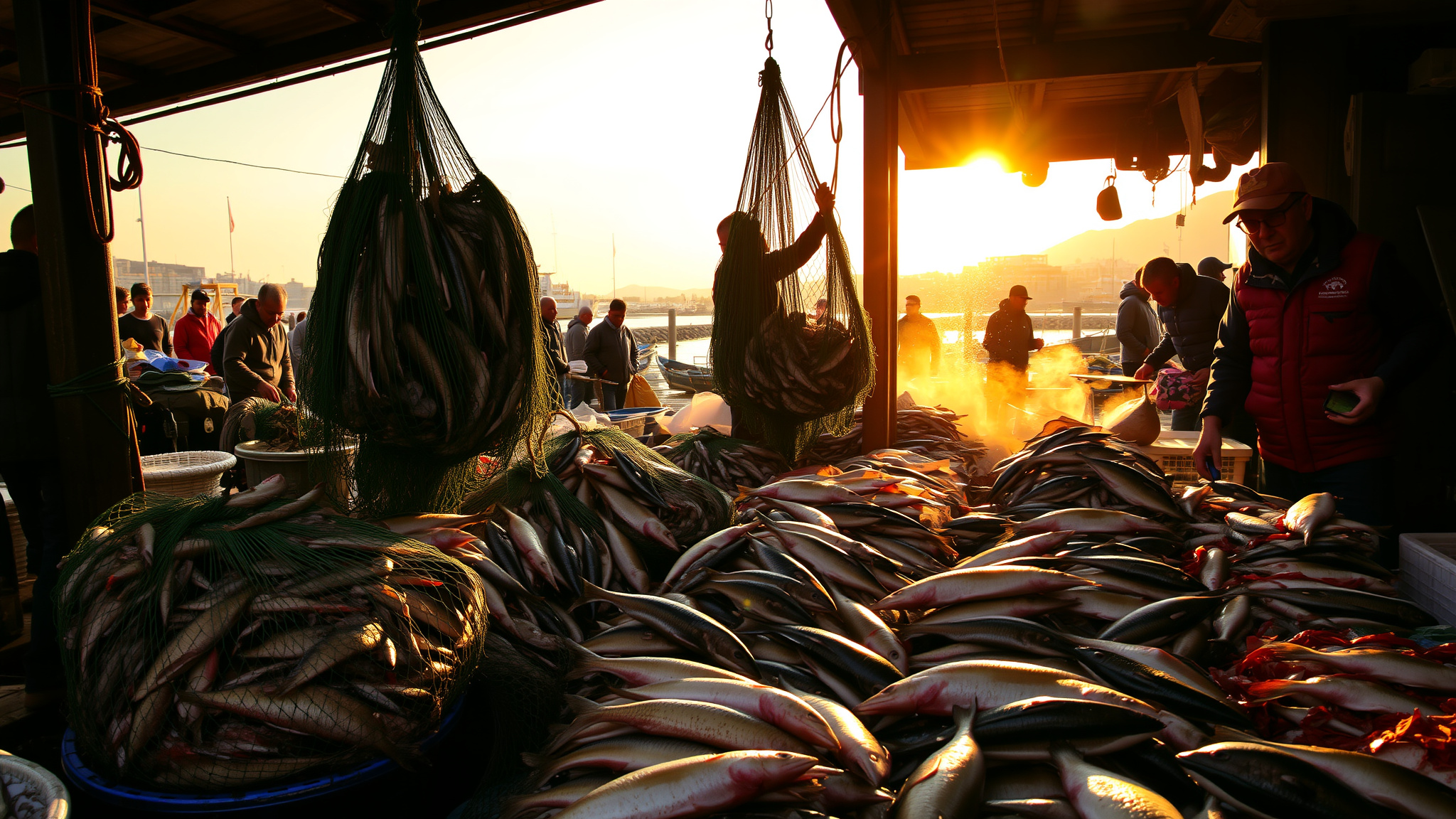
Overfishing occurs when fish are caught at a rate faster than they can reproduce, leading to a depletion of fish stocks. This phenomenon is driven by several factors, including technological advancements in fishing gear, increased demand for seafood, and inadequate management regulations.
The Role of Technology in Overfishing
Modern fishing technologies have revolutionized the industry, allowing for more efficient and extensive catches. Techniques such as trawling and purse seining can capture vast quantities of fish in a single haul. However, these methods often result in significant bycatch, where non-target species are unintentionally caught and discarded, leading to further declines in biodiversity.
Increasing Seafood Demand
Global seafood consumption has risen dramatically over the past few decades, driven by population growth and changing dietary preferences. As consumers seek affordable protein sources, the pressure on fish populations intensifies. This demand often leads to overexploitation, particularly of popular species like tuna, cod, and haddock, which are now facing critical population declines.
Impact on Marine Ecosystems
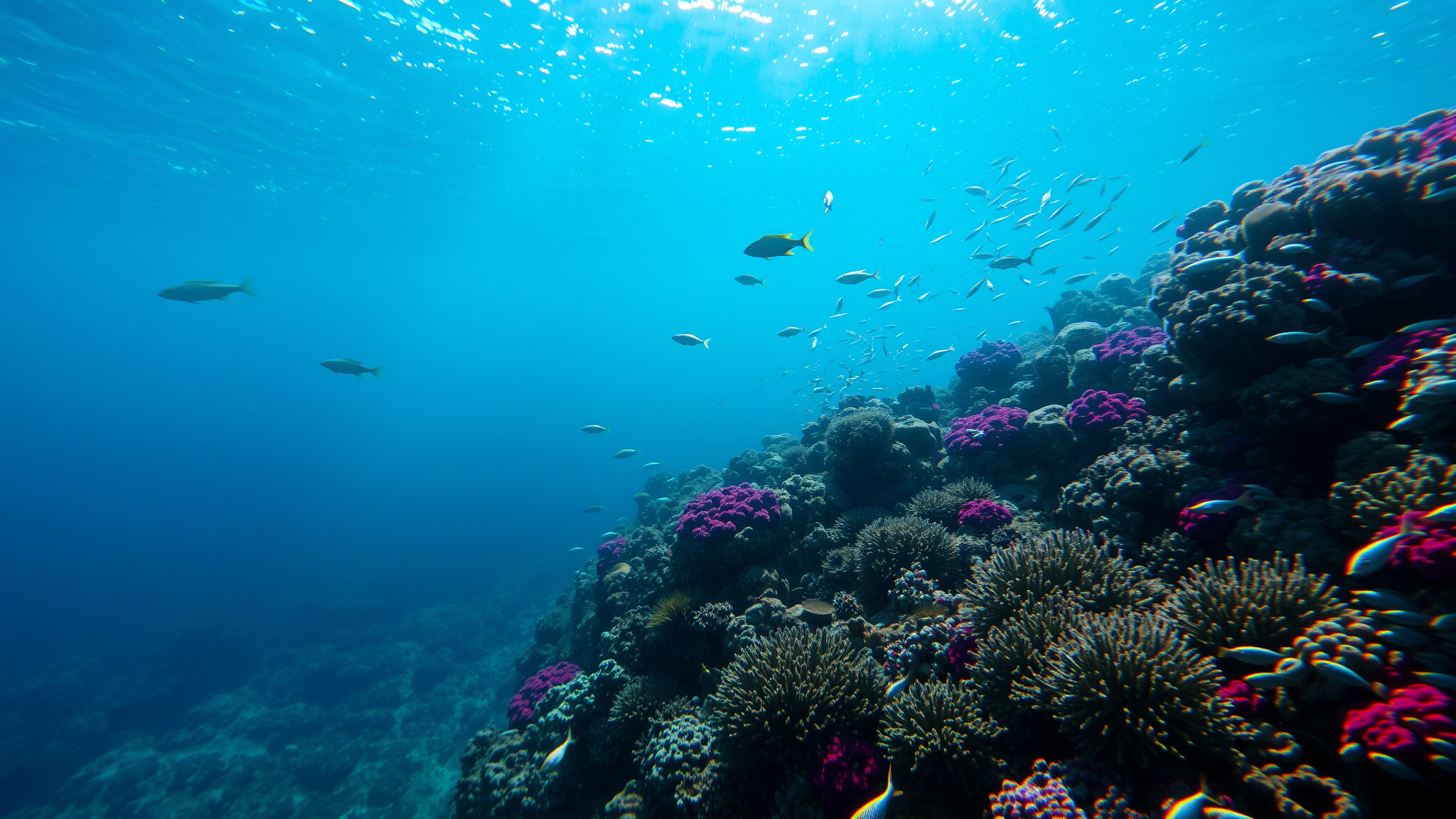
The repercussions of overfishing extend beyond the targeted species, affecting entire marine ecosystems. Healthy fish populations play a crucial role in maintaining the balance of marine life, and their decline can lead to significant ecological shifts.
Disruption of Food Chains
When key fish species are overfished, the balance of the marine food web is disrupted. Predators may decline due to the scarcity of prey, while prey species can become overabundant, leading to further ecological imbalances. For example, the overfishing of large predatory fish, such as sharks, has resulted in an increase in smaller fish populations, which can then overgraze on vital marine plants like seagrass and coral reefs.
Loss of Biodiversity
Overfishing contributes to a significant loss of biodiversity in ocean ecosystems. As species are driven to extinction, the genetic diversity that is essential for resilience in changing environments diminishes. This loss can have long-term consequences for ecosystem health, making it more challenging for marine life to adapt to changing conditions, including climate change.
Case Studies of Endangered Species
Several marine species are on the brink of extinction due to the pressures of overfishing. Understanding these case studies highlights the urgency of addressing this issue.
Bluefin Tuna
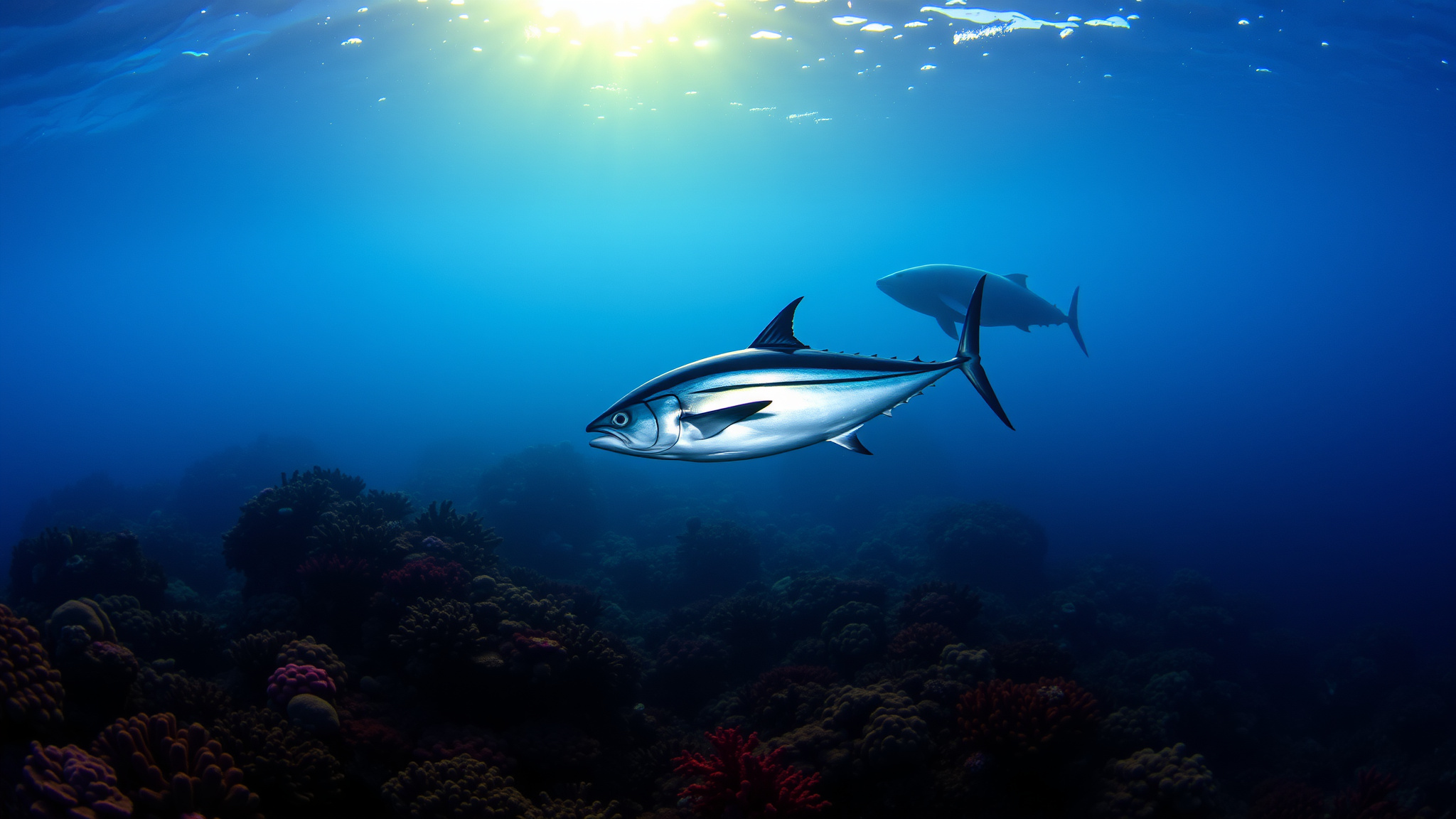
The Atlantic bluefin tuna is one of the most iconic examples of overfishing. Once abundant, its populations have plummeted by over 90% due to relentless fishing for sushi and sashimi. Conservation efforts are underway, but recovery is slow, and the species remains critically endangered.
Vaquita
The vaquita, a small porpoise native to the Gulf of California, is the most endangered marine mammal in the world. With fewer than 30 individuals left, its decline is primarily attributed to bycatch in illegal gillnets used for fishing another endangered species, the totoaba. Efforts to ban these nets are critical for the vaquita’s survival.
Solutions and Sustainable Practices
Addressing the issue of overfishing requires a multifaceted approach to ensure sustainable fishing practices and the protection of marine ecosystems.
Implementing Effective Regulations
Governments and international bodies must enforce stricter fishing quotas and regulations to prevent overfishing. By establishing sustainable catch limits, we can allow fish populations to recover and thrive. Additionally, monitoring and enforcement are crucial to ensure compliance with these regulations.
Promoting Sustainable Seafood Choices
Consumers play a vital role in combating overfishing by choosing sustainable seafood options. By supporting fisheries that practice responsible fishing methods, individuals can help reduce the demand for overexploited species. Organizations often provide guides to help consumers make informed choices about sustainable seafood.
FAQs
What are the main causes of overfishing?
The primary causes of overfishing include increased demand for seafood, advanced fishing technologies, and insufficient management regulations. These factors contribute to unsustainable fishing practices that deplete fish populations faster than they can recover.
How does overfishing affect marine biodiversity?
Overfishing disrupts marine food chains and leads to a loss of biodiversity. As key species decline, the entire ecosystem can become unbalanced, affecting the health and resilience of marine life.
What can individuals do to help combat overfishing?
Individuals can help combat overfishing by making informed seafood choices, supporting sustainable fisheries, and advocating for stronger regulations. Additionally, raising awareness about the issue can contribute to broader conservation efforts.
Conclusion
Overfishing poses a significant threat to ocean species and the health of marine ecosystems. As fish populations decline and biodiversity is lost, the urgent need for sustainable fishing practices becomes ever more critical. By understanding the causes and effects of overfishing and taking proactive steps, we can work towards preserving our oceans for future generations. The path to recovery is challenging, but collective action can make a difference in safeguarding the future of marine life.