
Late-night eating is a common habit for many individuals, often leading to concerns about weight gain and overall health. Understanding the relationship between late-night eating and weight loss can help you make informed choices. This article explores the effects of late-night eating on metabolism, the types of foods that can be beneficial or harmful, and practical tips to manage your eating habits for better weight control.
The Science Behind Late-Night Eating
Late-night eating can disrupt your body’s natural rhythms and may lead to weight gain. When you eat late at night, your body may not process food as efficiently, resulting in stored fat rather than energy use. Additionally, late-night snacks are often high in calories and low in nutrients, contributing to unhealthy weight gain.
Metabolism and Circadian Rhythms
Your metabolism operates on a circadian rhythm, which is influenced by your body’s internal clock. Eating late at night can interfere with this clock, causing your body to process food differently. Research indicates that eating during the night may lead to increased insulin resistance, which can hinder weight loss efforts.
Impact of Food Choices
The types of food consumed late at night play a significant role in weight management. Foods high in sugar and fat can lead to overeating and weight gain. In contrast, lighter, nutrient-dense options can be more satisfying without excess calories, making them a better choice for late-night snacks.
Strategies for Healthy Late-Night Eating
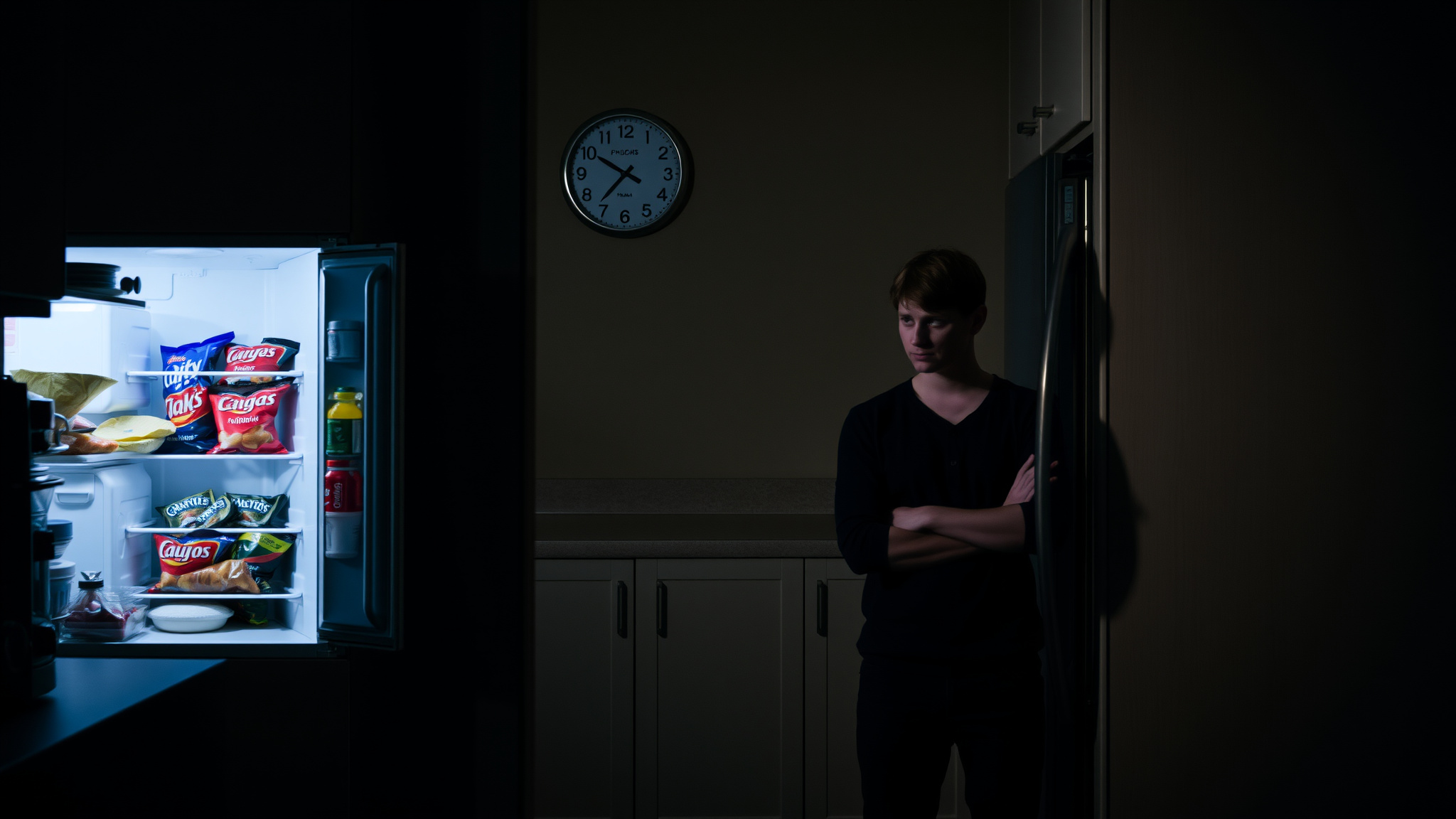
For those who find themselves snacking late at night, adopting healthier habits can make a difference. Implementing strategies to manage your late-night eating can help you maintain or lose weight while still enjoying the occasional snack.
Choose Nutrient-Dense Foods
Opt for snacks that are rich in nutrients but lower in calories. Foods such as Greek yogurt, fruit, or a small handful of nuts can satisfy hunger without contributing significantly to your daily calorie intake. These options provide essential vitamins and minerals while helping you feel full.
Practice Portion Control
Portion control is crucial for late-night eating. Instead of eating directly from the package, portion out a single serving size. This practice helps prevent mindless eating and allows you to enjoy your snack without overindulging. Using smaller plates or bowls can also trick your brain into feeling satisfied with less food.
The Psychological Aspect of Late-Night Eating
Understanding the psychological triggers behind late-night eating can aid in developing healthier habits. Many people eat late at night due to boredom, stress, or emotional reasons rather than genuine hunger.
Identifying Triggers
Keeping a food diary can help you identify patterns in your late-night eating habits. Note the times you eat, what you consume, and how you feel at that moment. This awareness can help you address emotional triggers and find healthier coping mechanisms, such as engaging in a hobby or practicing mindfulness.
Establish a Routine
Creating a structured eating routine can help regulate your hunger cues. Aim to have your last meal at least two to three hours before bedtime. This schedule allows your body to digest food properly and reduces the temptation to snack late at night. Eating regular meals throughout the day can also help minimize late-night hunger.
Benefits of Mindful Eating
Mindful eating involves focusing on the eating experience, which can help reduce overeating and improve your relationship with food. This practice can be particularly beneficial for those who snack late at night.
Enhancing Enjoyment of Food
By paying attention to the flavors, textures, and aromas of your food, you can enhance your enjoyment of meals and snacks. This mindfulness can lead to greater satisfaction, reducing the need to eat out of habit or boredom.
Listening to Your Body
Mindful eating encourages you to listen to your body’s hunger and fullness signals. By tuning in to these cues, you can make more informed decisions about when to eat and when to stop, which is particularly useful during late-night snacking.
FAQs
Can late-night eating cause weight gain?
Yes, late-night eating can contribute to weight gain, especially if the foods consumed are high in calories and low in nutrients. Eating late can also lead to poor metabolism regulation.
What are healthy late-night snack options?
Healthy late-night snack options include Greek yogurt, fresh fruit, veggies with hummus, or a small handful of nuts. These foods are nutrient-dense and can help satisfy hunger without excessive calories.
How can I stop late-night snacking?
To stop late-night snacking, establish a routine, identify emotional triggers, and practice portion control. Engaging in activities that distract you from eating, like reading or going for a walk, can also help.
Is it okay to eat late at night if I’m hungry?
If you are genuinely hungry, it is okay to eat late at night. The key is to choose healthy options and practice mindful eating to avoid excessive calorie intake.
Conclusion
Understanding the effects of late-night eating on weight loss is essential for making healthier choices. By being mindful of food selections, practicing portion control, and identifying psychological triggers, you can enjoy late-night snacks without negatively impacting your weight. Ultimately, a balanced approach that includes nutrient-dense foods and mindful practices can lead to better health and weight management.