
Exploring the depths of the ocean, particularly the mysterious trenches that plunge to unimaginable depths, reveals a world unlike any other. Life at 20,000 feet, where sunlight barely penetrates, presents unique challenges that only the most extraordinary creatures can overcome. This article delves into the adaptations and survival strategies of organisms thriving in the extreme conditions of the deepest ocean trenches, showcasing the resilience of life in the most inhospitable environments on Earth.
The Unique Environment of Ocean Trenches
Ocean trenches are the deepest parts of the ocean, formed by tectonic plate movements that create steep, narrow depressions in the seabed. These dark and cold environments are characterized by high pressure, low temperatures, and complete darkness, making them one of the most challenging habitats on the planet.
Extreme Pressure Conditions
At depths of around 20,000 feet, the pressure can exceed 600 times that of the surface atmosphere. This immense pressure poses significant challenges for any life forms attempting to survive. However, many organisms have developed unique adaptations to withstand these conditions. For example, deep-sea creatures possess flexible cell membranes and specialized proteins that prevent their bodies from collapsing under the weight of the water above.
Temperature and Light Limitations
The temperature in ocean trenches is typically just above freezing, often ranging between 32°F (0°C) and 39°F (4°C). The absence of sunlight means that photosynthesis is not possible, leading to a reliance on other methods of of energy acquisi. Many trench-dwelling organisms utilize chemosynthesis, a process where bacteria convert chemicals from hydrothermal vents into energy, providing a food source for larger organisms.
Adaptations of Deep-Sea Creatures
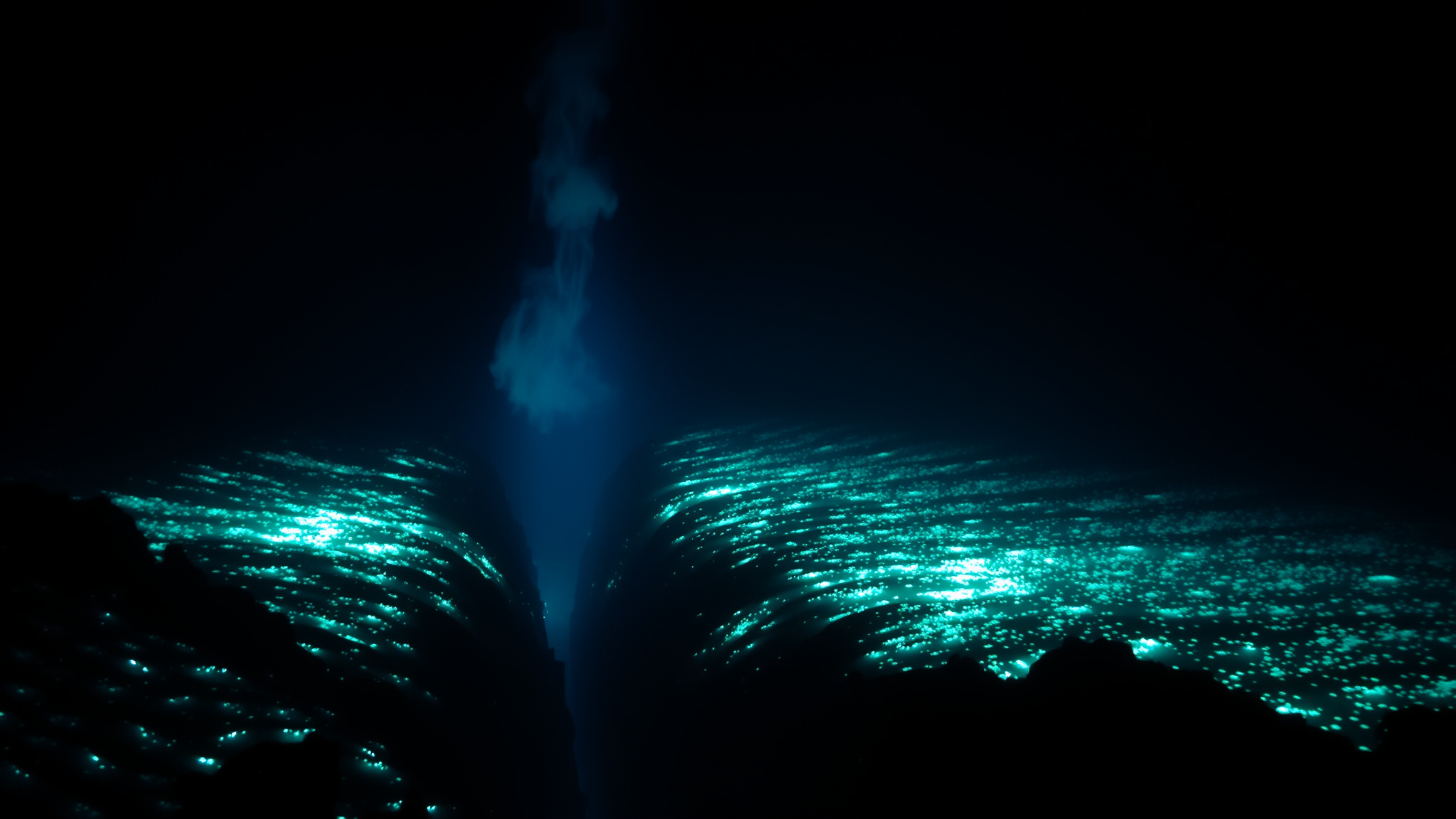
Life in the ocean’s depths has led to remarkable adaptations among its inhabitants. These adaptations not only allow survival but also enable species to thrive in this extreme environment.
Bioluminescence
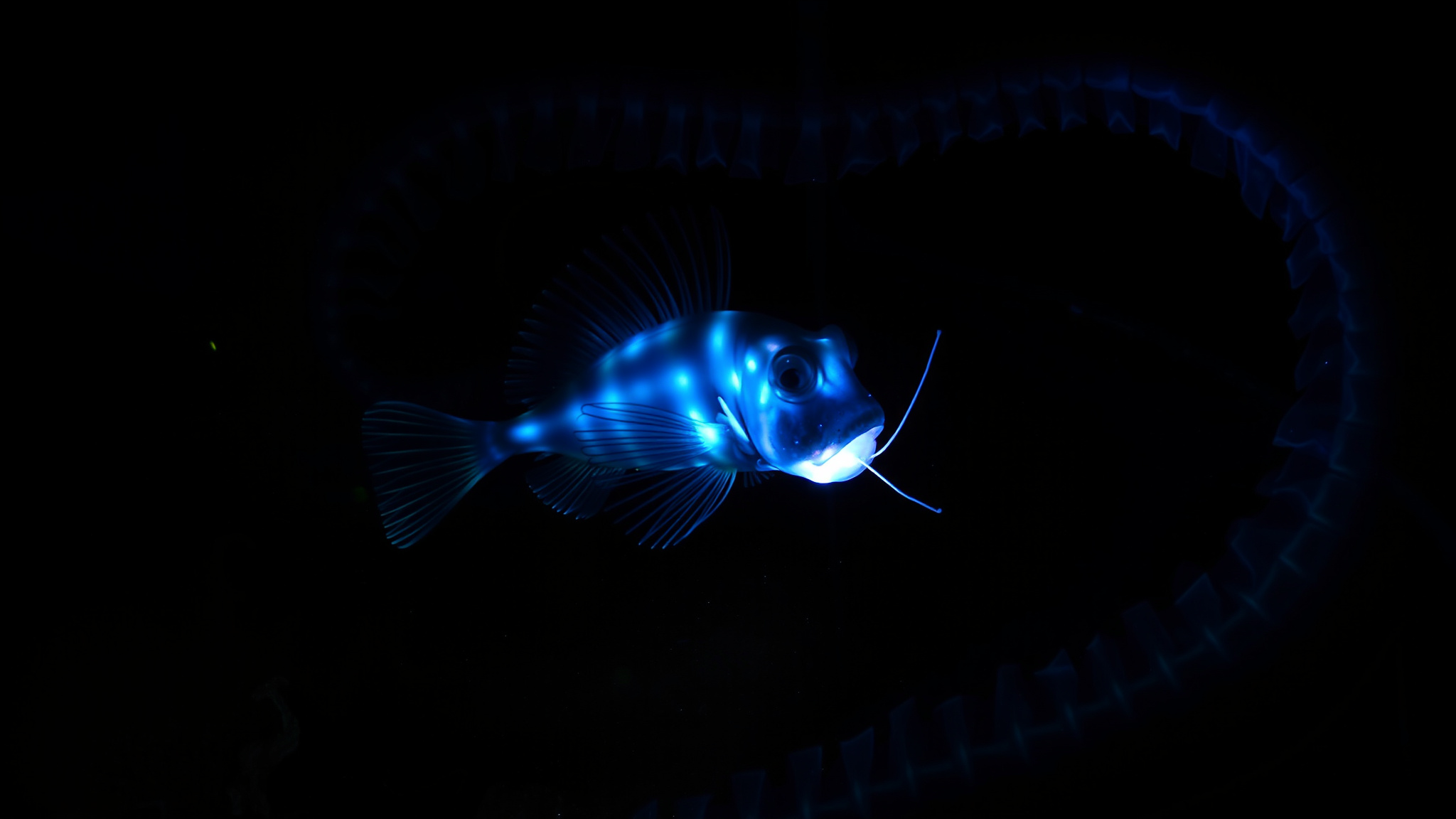
Many deep-sea creatures possess the ability to produce light through bioluminescence. This adaptation serves various purposes, such as attracting prey, deterring predators, or facilitating communication. For instance, the anglerfish uses a bioluminescent lure to attract smaller fish, making it a highly effective predator in the dark depths.
Specialized Feeding Mechanisms
Feeding strategies in the trenches differ significantly from those in shallow waters. Many organisms have evolved unique adaptations to consume the limited food available. The giant squid, for example, has long tentacles lined with suckers to capture prey, while some species of deep-sea fish have expandable stomachs that allow them to consume prey larger than themselves. These specialized feeding mechanisms are crucial for survival in an environment where food is scarce.
Examples of Life in the Deep Trenches
Several fascinating species inhabit the deep ocean trenches, showcasing the incredible diversity of life adapted to these extreme conditions.
The Mariana Trench: Home to Unique Species
The Mariana Trench, the deepest oceanic trench, is home to various unique species. One of the most notable is the amphipod known as “Halicephalobus megalops,” which has been observed at depths exceeding 36,000 feet. This creature has adapted to withstand high pressure and is known for its gelatinous body structure, which helps mitigate the effects of the extreme environment.
Deep-Sea Hydrothermal Vents
Hydrothermal vents are another remarkable aspect of ocean trenches. They release mineral-rich water heated by the Earth’s magma, creating an oasis of life in the otherwise barren environment. Tube worms, for example, thrive in these areas, relying on chemosynthetic bacteria for nourishment. These bacteria convert the chemicals released by the vents into energy, forming the basis of a unique ecosystem.
FAQs
How do deep-sea creatures survive without sunlight?
Deep-sea creatures rely on chemosynthesis, where bacteria convert chemicals from hydrothermal vents into energy, rather than photosynthesis, to survive in the darkness of the ocean trenches.
What are some common adaptations found in deep-sea organisms?
Common adaptations include bioluminescence for attracting prey and deterring predators, specialized feeding mechanisms to consume scarce food, and flexible body structures to withstand high pressure.
Are there any human impacts on ocean trenches?
Yes, human activities such as deep-sea mining, pollution, and climate change can have detrimental effects on the fragile ecosystems of ocean trenches, threatening the unique life forms that inhabit them.
Conclusion
Life at 20,000 feet in the ocean’s deepest trenches is a testament to the resilience and adaptability of organisms in extreme environments. The unique adaptations of these creatures, from bioluminescence to specialized feeding mechanisms, highlight the incredible diversity of life that continues to thrive in the most challenging conditions on Earth. As we deepen our understanding of these mysterious ecosystems, it becomes increasingly important to protect them from human impacts, ensuring that the wonders of life in the deep ocean remain for generations to come.