
Sharks, the apex predators of our oceans, have long captivated human imagination with their grace and power. However, these magnificent creatures face unprecedented threats due to human activities. As their populations dwindle, it becomes increasingly important to understand the factors contributing to their decline and the implications for marine ecosystems. This article delves into the various ways human actions are threatening sharks and highlights the urgent need for conservation efforts to protect these vital ocean inhabitants.
The Impact of Overfishing on Shark Populations
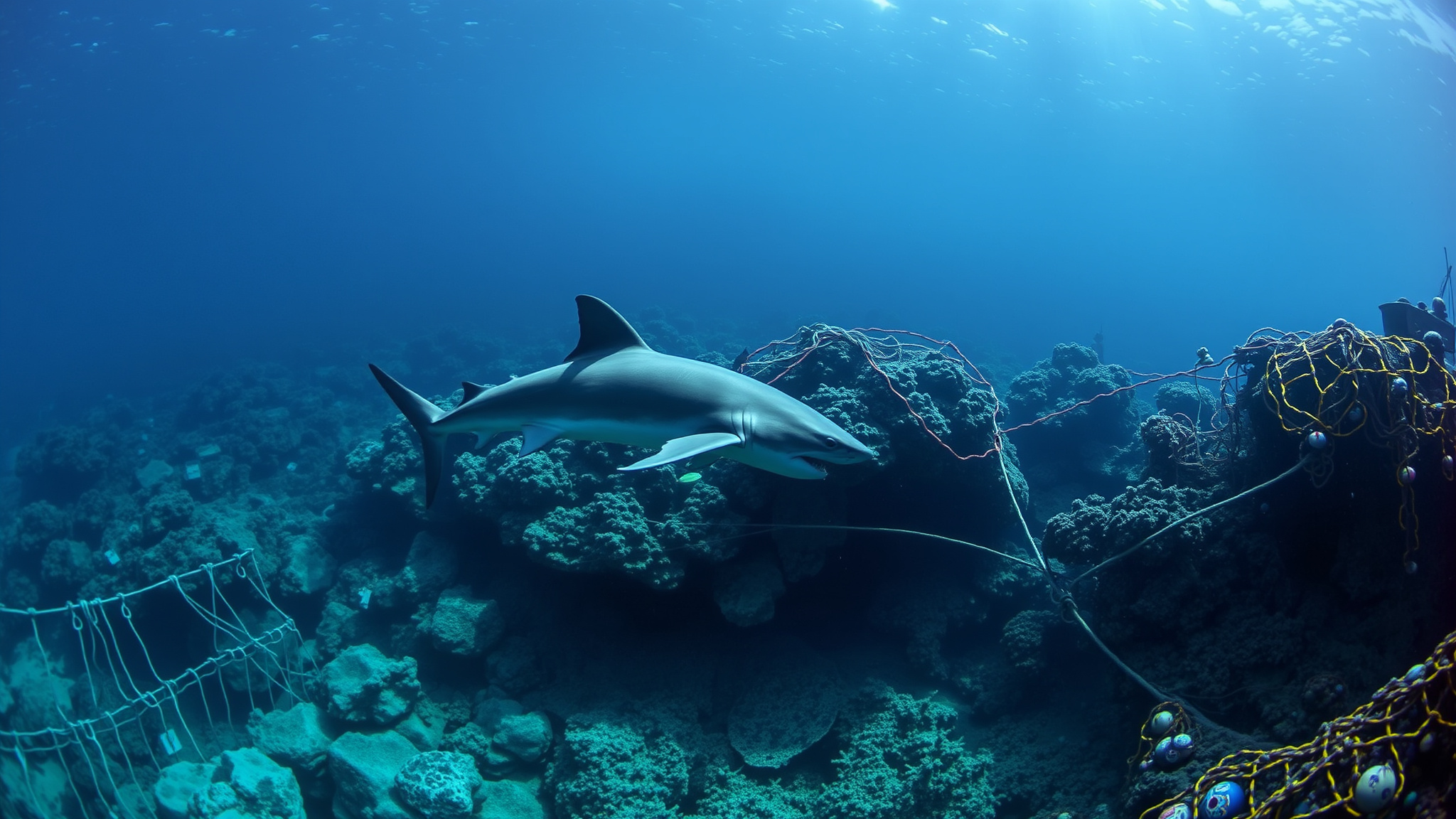
Overfishing is one of the most significant threats to shark populations worldwide. Sharks are often caught unintentionally as bycatch in commercial fishing operations targeting other species. This unregulated fishing leads to substantial declines in shark numbers, disrupting the balance of marine ecosystems.
For instance, the Atlantic bluefin tuna fishery has seen a dramatic decline in shark populations due to bycatch. Species like the shortfin mako and hammerhead sharks are frequently caught in fishing nets intended for other fish. The loss of these apex predators can lead to an overabundance of prey species, which can destabilize the entire marine food web. Shark Finning: A Cruel Practice Shark finning, the practice of removing a shark’s fins and discarding the rest of the body back into the ocean, is another critical issue contributing to the decline of shark populations. This gruesome practice is primarily driven by the demand for shark fin soup, a delicacy in some cultures. The Scale of Shark Finning
According to estimates, approximately 100 million sharks are killed each year for their fins. This unsustainable practice not only threatens individual species but also disrupts the ecological balance of marine environments. Species like the thresher shark and the oceanic whitetip have experienced severe population declines due to finning practices.
Habitat Destruction and Its Effects
Human activities such as coastal development, pollution, and climate change are leading to significant habitat destruction for sharks. Coastal areas, which serve as essential breeding and nursery grounds for many shark species, are particularly vulnerable to these threats.
The Role of Coastal Habitats
For example, mangroves and seagrass beds provide critical habitats for juvenile sharks. The destruction of these ecosystems due to urban expansion and pollution can severely impact shark populations. Furthermore, the degradation of coral reefs, which serve as vital feeding grounds, poses additional threats to shark survival.

Climate Change and Its Impact on Sharks
Climate change is another looming threat confronting sharks. Rising ocean temperatures, ocean acidification, and changes in sea levels can significantly affect shark behavior, reproduction, and distribution. As the oceans warm, many shark species may migrate to cooler waters, disrupting established ecosystems.
Effects of Climate Change on Shark Species
For instance, the great white shark has been observed moving into deeper, cooler waters as temperatures rise. This shift can lead to increased competition for food and may even threaten the survival of other marine species that have adapted to specific habitats. Additionally, changes in the distribution of prey species due to climate change can further exacerbate the challenges faced by sharks.
Conservation Efforts and Their Importance
Given the numerous threats to sharks, conservation efforts are more critical than ever. Various organizations and governments are working to implement measures aimed at protecting shark populations and their habitats. These efforts include establishing marine protected areas, implementing sustainable fishing practices, and raising public awareness about the importance of sharks in marine ecosystems.
Successful Conservation Initiatives
One notable example is the establishment of the Shark Sanctuary in Palau, which prohibits shark fishing in its waters. This initiative has led to a resurgence of shark populations and has been a model for other regions. Similarly, the implementation of sustainable fishing quotas in various countries has shown promise in allowing shark populations to recover.
FAQs
Why are sharks important to the ocean ecosystem?
Sharks play a crucial role in maintaining the balance of marine ecosystems. As apex predators, they help regulate the populations of other marine species, ensuring healthy ocean environments.
What are the main threats to shark populations?
The main threats to shark populations include overfishing, shark finning, habitat destruction, and climate change. These factors collectively contribute to the decline of various shark species worldwide.
What can individuals do to help protect sharks?
Individuals can help protect sharks by supporting sustainable seafood initiatives, advocating for marine conservation, and educating others about the importance of sharks in the marine ecosystem. Reducing plastic use and pollution also benefits ocean habitats.
Are there laws protecting sharks?
Yes, several countries have implemented laws and regulations to protect shark populations, including bans on shark finning and restrictions on fishing certain species. However, enforcement varies widely, and continued advocacy is necessary for effective protection.
Conclusion
Sharks are vital to the health of our oceans, yet they are facing dire threats from human activities. Overfishing, shark finning, habitat destruction, and climate change are all contributing to the decline of these magnificent creatures. It is imperative that we take collective action to protect sharks and their habitats through effective conservation measures and public awareness. By understanding the challenges they face, we can work together to ensure that future generations will continue to marvel at the beauty and importance of sharks in our oceans.