
Sharks have long been subjects of fascination and fear, often portrayed in media as ruthless predators lurking in the depths of the ocean. However, the reality of these magnificent creatures is far more complex. By examining the myths surrounding sharks and contrasting them with scientific facts, we can gain a better understanding of their role in the ecosystem and dispel common misconceptions. This article delves into the myths versus reality about sharks, revealing what we often get wrong about these fascinating predators.
The Myth of the Man-Eating Shark
One of the most pervasive myths about sharks is that they are man-eaters, attacking humans on sight. This belief has been fueled by sensationalized media portrayals and movies. In reality, shark attacks on humans are extremely rare.
Statistics on Shark Attacks
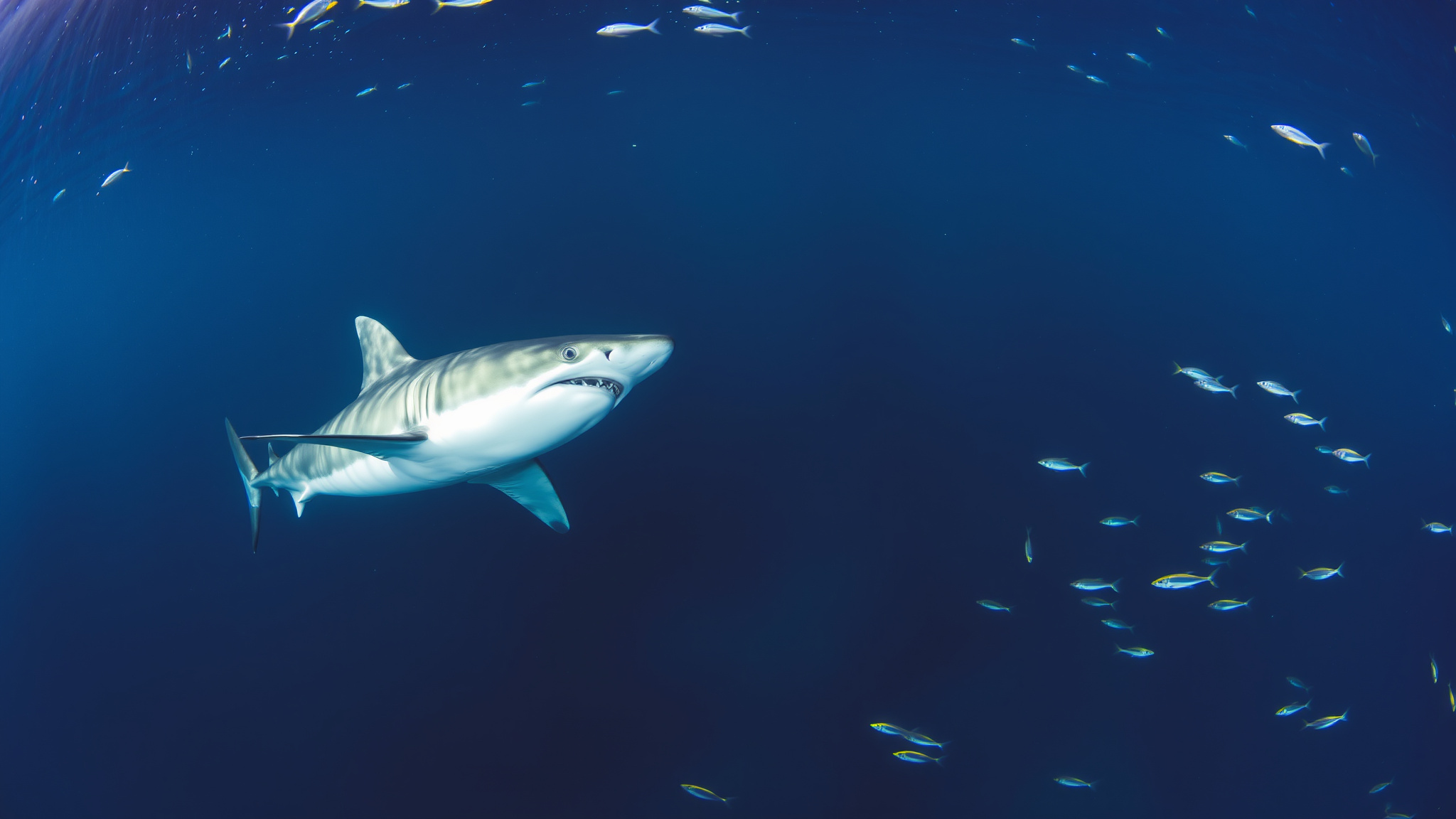
According to the International Shark Attack File, the chances of being bitten by a shark are about 1 in 11.5 million. Most shark species are not dangerous to humans and prefer to feast on smaller fish and marine life. For instance, the great white shark, often linked to attacks, primarily preys on seals. When shark attacks do occur, they are often cases of mistaken identity, where the shark confuses a swimmer for its natural prey.
Sharks Are Not Mindless Killers
Another common misconception is that sharks are mindless killers that hunt without thought. This myth overlooks the intelligence and social behavior of many shark species. Research has shown that sharks exhibit complex behaviors and can even learn from their environment.
Shark Intelligence and Behavior
Sharks have been observed using strategies to hunt and interact with their environment. For example, some species work together to herd fish into tight groups, making it easier to feed. Additionally, studies indicate that sharks can remember locations and recognize individual human divers, showcasing their cognitive abilities. This intelligence is crucial for their survival and adaptation within diverse ecosystems.

The Importance of Sharks in Marine Ecosystems
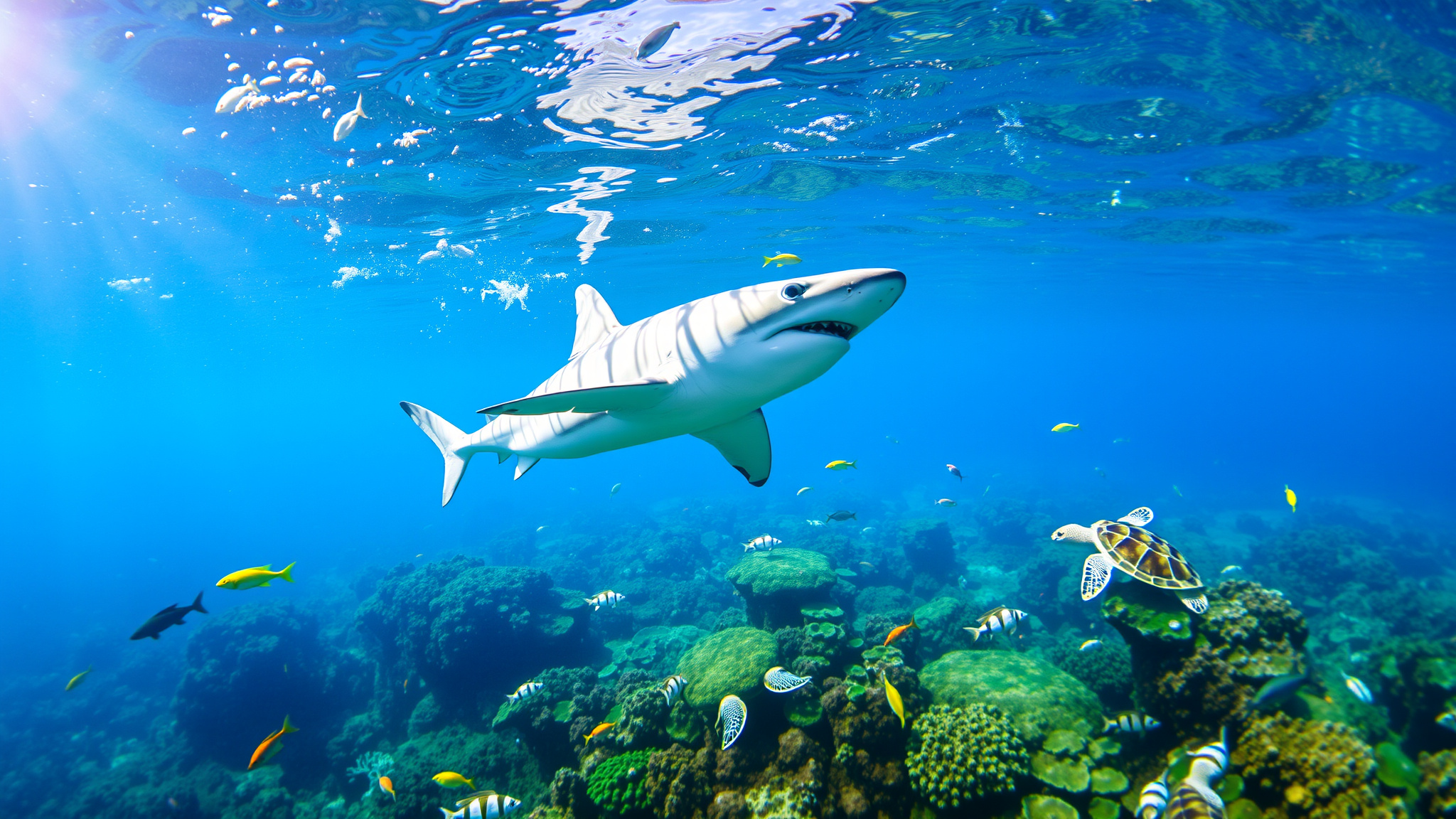
Sharks play a vital role in maintaining the health of marine ecosystems. As apex predators, they help regulate the populations of other marine species, ensuring balance within the food web.
The Ripple Effect of Shark Population Declines
When shark populations decline due to overfishing or habitat loss, it can lead to unchecked populations of their prey, which can disrupt entire ecosystems. For instance, the decline of shark populations has been linked to the overpopulation of rays, which in turn affects shellfish populations. This imbalance highlights the importance of conserving shark species to maintain ecological stability.
Sharks and Their Conservation Status
Despite their ecological significance, many shark species are threatened or endangered due to human activities. Overfishing, habitat destruction, and the demand for shark fins have led to significant declines in shark populations worldwide.
Efforts to Protect Sharks
Various organizations and governments are working to protect shark species through conservation efforts. These initiatives include implementing fishing regulations, establishing marine protected areas, and raising public awareness about the importance of sharks. For example, the Shark Conservation Act in the United States aims to prevent the practice of shark finning, which is a significant threat to shark populations.

Sharks Are Not All Dangerous
While some shark species have garnered a reputation for being dangerous, the majority are harmless to humans. In fact, many sharks are small and feed on plankton or fish.
Understanding Different Shark Species
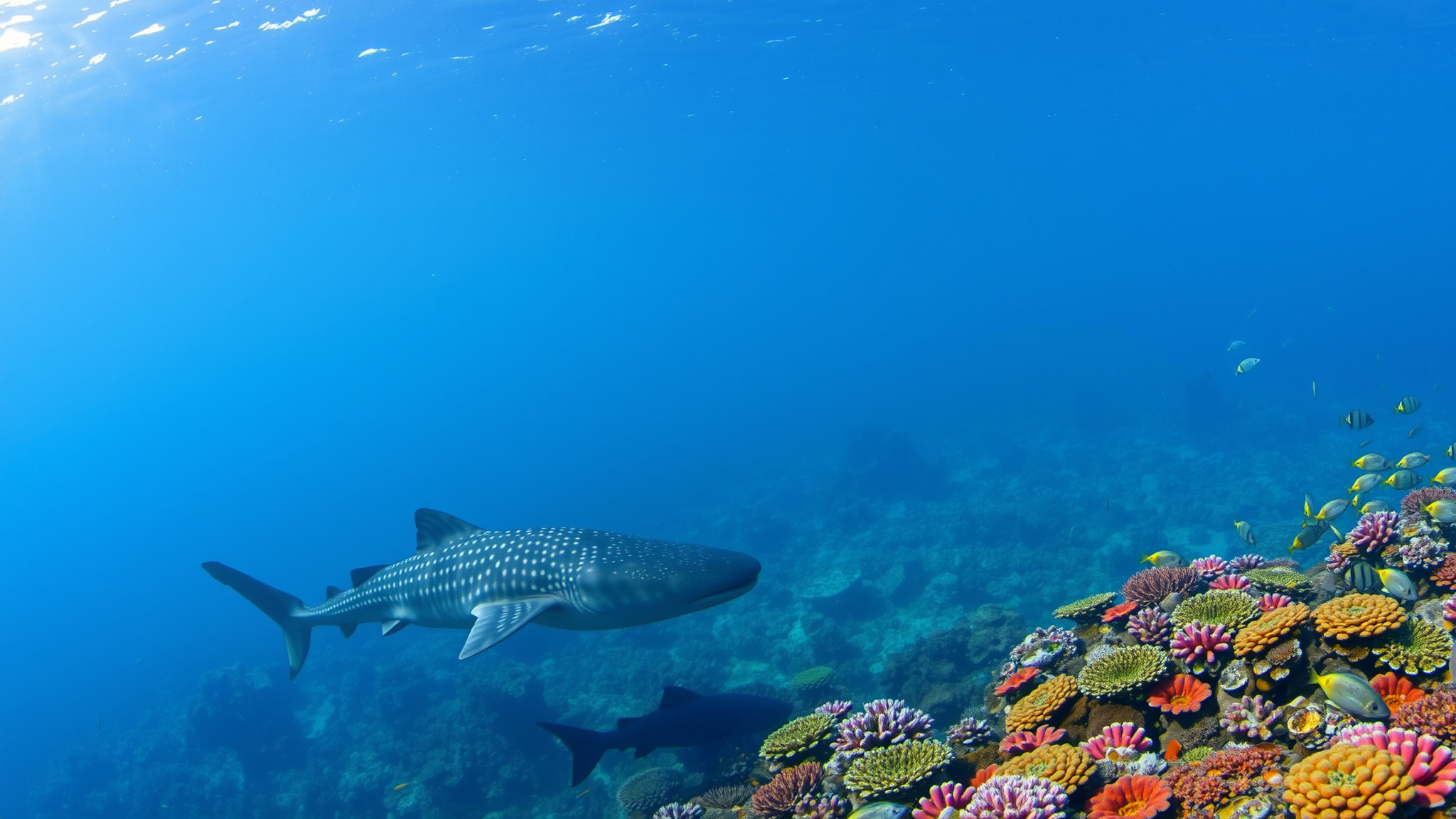
Species such as the whale shark and basking shark are gentle giants, primarily feeding on small organisms and posing no threat to humans. Educating the public about these less-known species can help change perceptions and reduce fear surrounding sharks. By understanding that most sharks are not a threat, we can foster a more positive relationship with these creatures.
FAQs
Are all sharks dangerous to humans?
No, not all sharks are dangerous to humans. Most shark species are harmless and feed on smaller marine life. The risk of encountering a dangerous shark is extremely low.
Why do sharks attack humans?
Sharks may attack humans due to mistaken identity, often confusing swimmers or surfers with their natural prey. Most attacks are not predatory but rather exploratory bites.
What can be done to protect sharks?
Shark conservation efforts include implementing fishing regulations, creating marine protected areas, and raising awareness about the ecological importance of sharks. Supporting sustainable fishing practices is also crucial.
How do sharks contribute to their ecosystems?
As apex predators, sharks help regulate species populations, maintaining balance in marine ecosystems. Their presence is essential for the health of ocean environments.
Conclusion
Understanding the myths and realities surrounding sharks is essential for fostering a greater appreciation for these remarkable creatures. By dispelling misconceptions and highlighting their ecological importance, we can promote shark conservation and ensure these vital predators continue to thrive in our oceans. Sharks are not just symbols of danger; they are key players in maintaining the balance of marine ecosystems, deserving of our respect and protection.