
The blue whale, the largest animal to ever inhabit Earth, faces numerous hidden threats that jeopardize its survival. Despite conservation efforts, these majestic giants encounter challenges that are often overlooked. Understanding these threats is crucial for their protection and the health of marine ecosystems. This article delves into the various hidden dangers to blue whale populations, highlighting the need for awareness and action.
Understanding the Blue Whale’s Habitat
Blue whales inhabit oceans worldwide, primarily in deeper waters away from coastal regions. They often migrate between feeding and breeding grounds, which are crucial for their survival. These migratory patterns are affected by environmental changes, making their habitats vulnerable.
The Importance of Krill
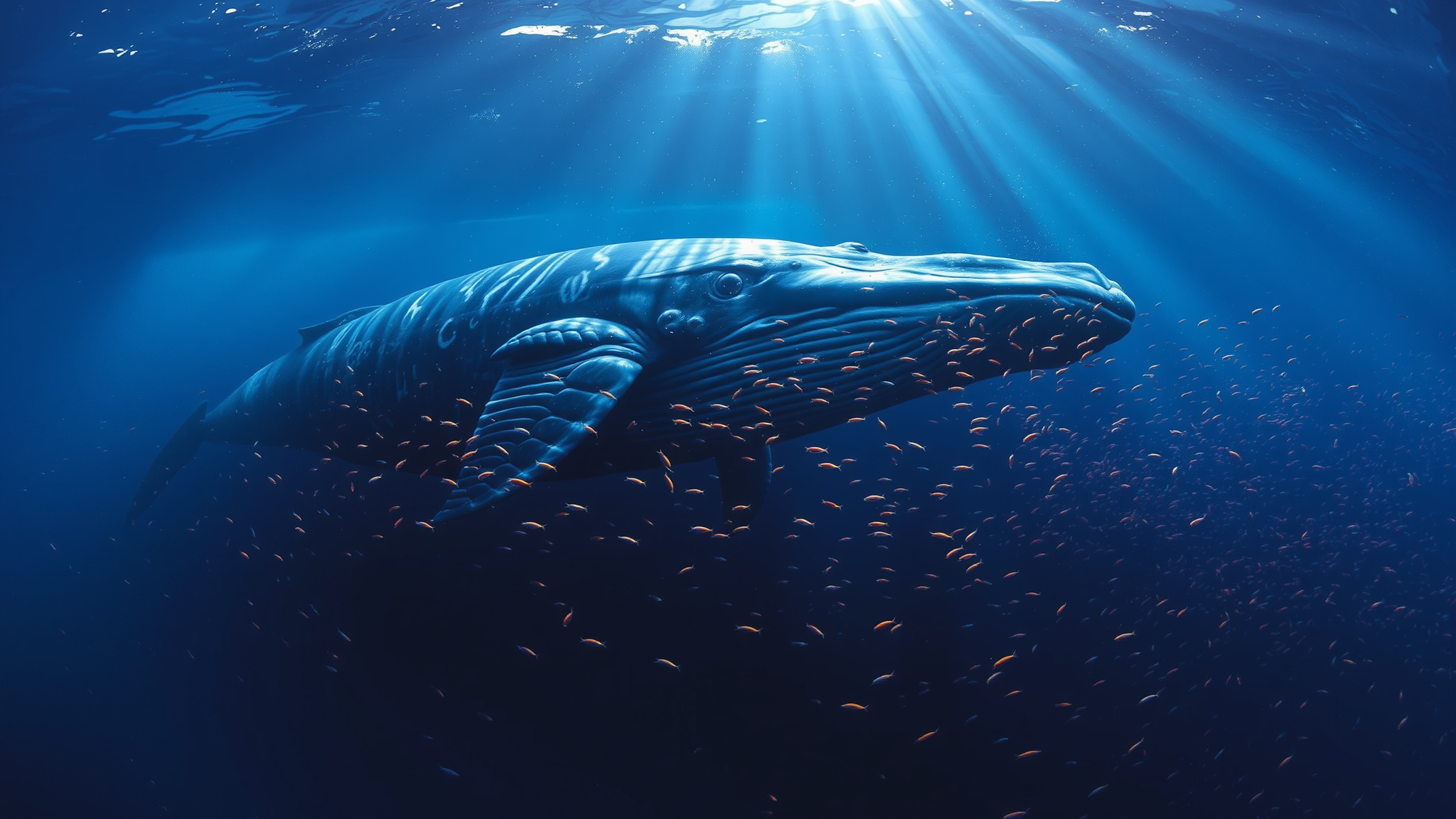
Krill serves as the primary food source for blue whales. These small crustaceans are abundant in specific areas, particularly during certain seasons. However, climate change has begun to alter the availability of krill, impacting the food supply for blue whales. As ocean temperatures rise, krill populations may shift, forcing blue whales to travel longer distances to find adequate food.
Impact of Ocean Acidification
Ocean acidification, a direct result of increased carbon dioxide emissions, poses a significant threat to marine life. It affects the ability of krill and other marine organisms to develop their shells and survive. A decline in krill populations directly impacts blue whales, leading to nutritional stress and decreased reproductive success.
Ship Strikes: A Growing Concern
Ship traffic has dramatically increased over the years, particularly in areas where blue whales are known to feed and migrate. Collisions with large vessels can be fatal, and even non-fatal strikes can result in severe injuries.
High-Risk Areas
Certain regions, such as the California coast and the Gulf of St. Lawrence, are hotspots for ship strikes. The increasing volume of cargo and cruise ships navigating these waters raises concerns for blue whale safety. Implementing shipping lane regulations and speed restrictions in these areas can help mitigate the risk of collisions.
Technological Solutions
Innovative technologies are being developed to address the risk of ship strikes. For example, real-time tracking systems can alert ships to the presence of blue whales in their vicinity. These systems allow for timely adjustments to shipping routes, minimizing the risk of collisions.
Noise Pollution and Its Effects
Noise pollution from shipping, industrial activities, and military exercises disrupts the natural behavior of blue whales. These animals rely on sounds for communication, navigation, and locating food. Increased noise levels can lead to stress and disorientation.
Impact on Communication
Blue whales produce low-frequency sounds that can travel long distances underwater. However, background noise from human activities can mask these sounds, making it difficult for whales to communicate. This disruption can impact their mating behavior and social interactions, ultimately affecting population dynamics.
Stress and Displacement
Chronic exposure to noise pollution can lead to increased stress levels in blue whales. This stress can affect their overall health and reproductive success. Additionally, if whales are displaced from their feeding grounds due to noise, they may struggle to find food, further threatening their survival.
Climate Change and Its Far-Reaching Effects
Climate change poses a multifaceted threat to blue whales. From altering their habitats to affecting prey availability, the consequences are significant.
Changes in Ocean Temperature
Rising ocean temperatures can affect the distribution of krill populations. As water warms, krill may migrate to cooler areas, forcing blue whales to adapt to new foraging locations. This can lead to increased energy expenditure and difficulties in finding food.
Melting Ice and its Impact
Melting Arctic ice alters the marine ecosystem, impacting species that blue whales rely on. The loss of sea ice affects the entire food web, leading to declines in krill and other prey species. As these changes occur, blue whales may face additional challenges in sustaining their populations.
Pollution and Its Consequences
Marine pollution, including plastics and chemical runoff, poses serious risks to blue whales and their habitats. Pollution can lead to toxic accumulation in the food chain, affecting the health of marine organisms.
Microplastics in the Ocean
Microplastics have infiltrated marine ecosystems, often mistaken for food by marine life. Blue whales may inadvertently ingest these particles while feeding on krill. The long-term health effects of microplastics on blue whales remain a significant concern, as they can lead to digestive issues and other health problems.
Chemical Runoff and Its Effects
Chemical runoff from agriculture and industrial activities introduces harmful substances into ocean waters. These chemicals can have detrimental effects on marine life, disrupting reproductive systems and leading to population declines. Blue whales are not immune to these impacts, as they are at the top of the food chain and can accumulate toxins in their bodies.
FAQs
What is the current population status of blue whales?
Blue whale populations are currently estimated to be between 10,000 and 25,000 individuals, a significant recovery from near extinction due to whaling. However, they remain classified as endangered due to ongoing threats.
How do blue whales communicate?
Blue whales communicate using low-frequency vocalizations that can travel for hundreds of miles underwater. These sounds play a crucial role in social interaction and navigation.
What conservation efforts are in place to protect blue whales?
Conservation efforts include the establishment of marine protected areas, regulations on shipping lanes, and research on blue whale populations. These initiatives aim to reduce human impact and promote recovery.
Conclusion
The blue whale, a symbol of the ocean’s grandeur, faces numerous hidden threats that require urgent attention. From ship strikes and noise pollution to climate change and pollution, these challenges jeopardize their survival. By raising awareness and implementing effective conservation strategies, we can help ensure that blue whales continue to thrive in our oceans for generations to come. Protecting these magnificent creatures is not just about saving a species; it’s about preserving the health of our marine ecosystems as a whole.