
Marine ecosystems are vital to the health of our planet, yet they are under significant threat from human activities. Many marine species are facing the risk of extinction due to habitat destruction, pollution, and climate change. Understanding the most endangered marine species and the actions we can take to protect them is crucial for preserving marine biodiversity. This article highlights the top five endangered marine species, their unique characteristics, and practical strategies for their conservation.
1. Vaquita (Phocoena sinus)
The vaquita is the world’s rarest marine mammal, found only in the northern part of the Gulf of California, Mexico. With an estimated population of fewer than 30 individuals, this small porpoise is critically endangered due to bycatch in illegal gillnets used for fishing totoaba, a fish whose swim bladder is highly valued in traditional medicine.
Conservation Efforts
Efforts to protect the vaquita include increased patrolling of their habitat, enforcing fishing regulations, and promoting alternative livelihoods for local fishermen. Awareness campaigns are also critical to discourage the illegal totoaba trade.

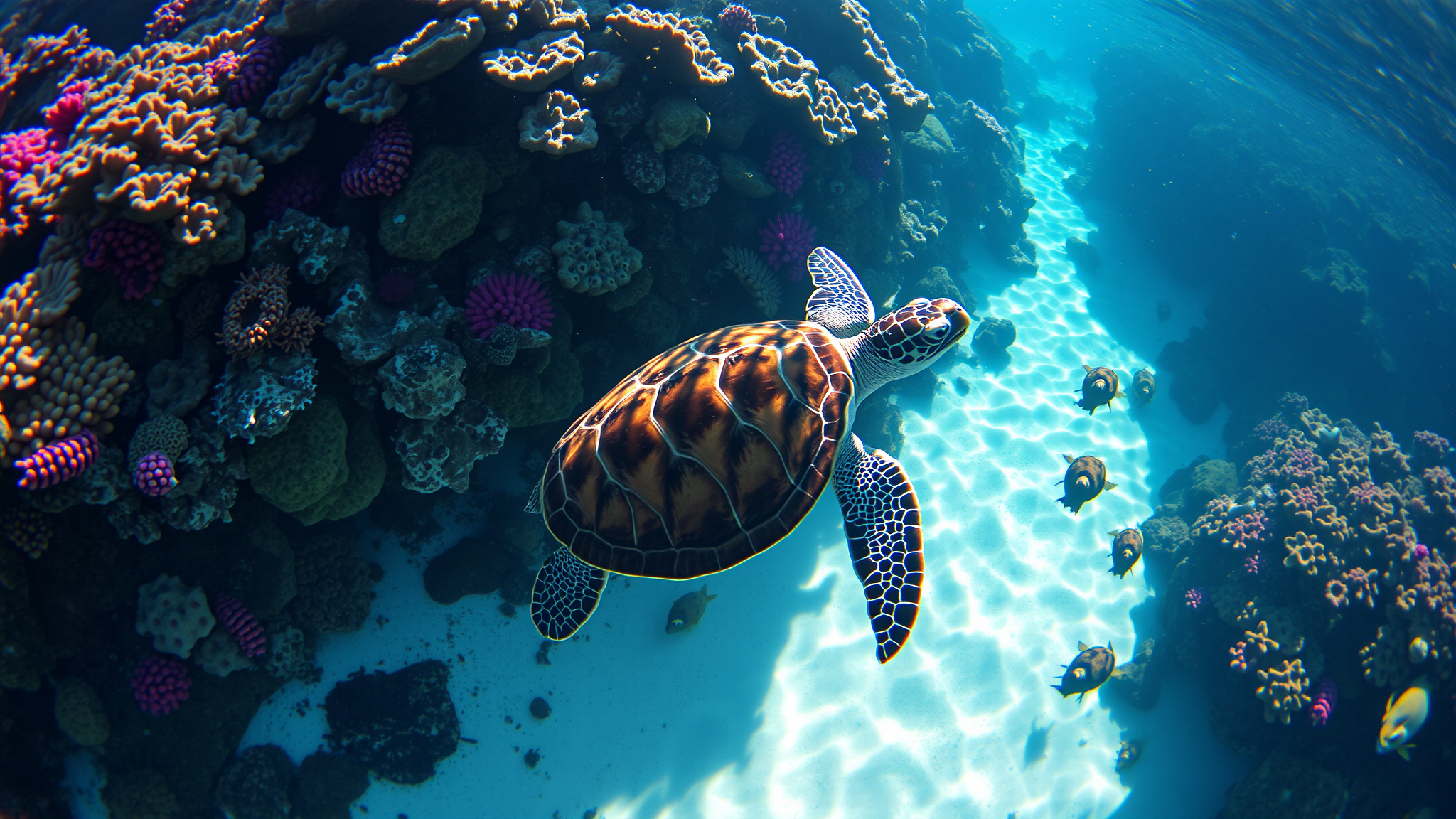
2. Hawksbill Sea Turtle (Eretmochelys imbricata)
The hawksbill sea turtle is known for its beautiful shell, which has led to its decline due to poaching for the tortoiseshell trade. Hawksbills are found in tropical coral reefs and play a crucial role in maintaining the health of the reefs by controlling sponge populations.
Conservation Strategies
Conservation strategies for hawksbill turtles include protecting nesting sites, reducing bycatch in fishing gear, and creating marine protected areas. Public education campaigns can also help reduce demand for tortoiseshell products.
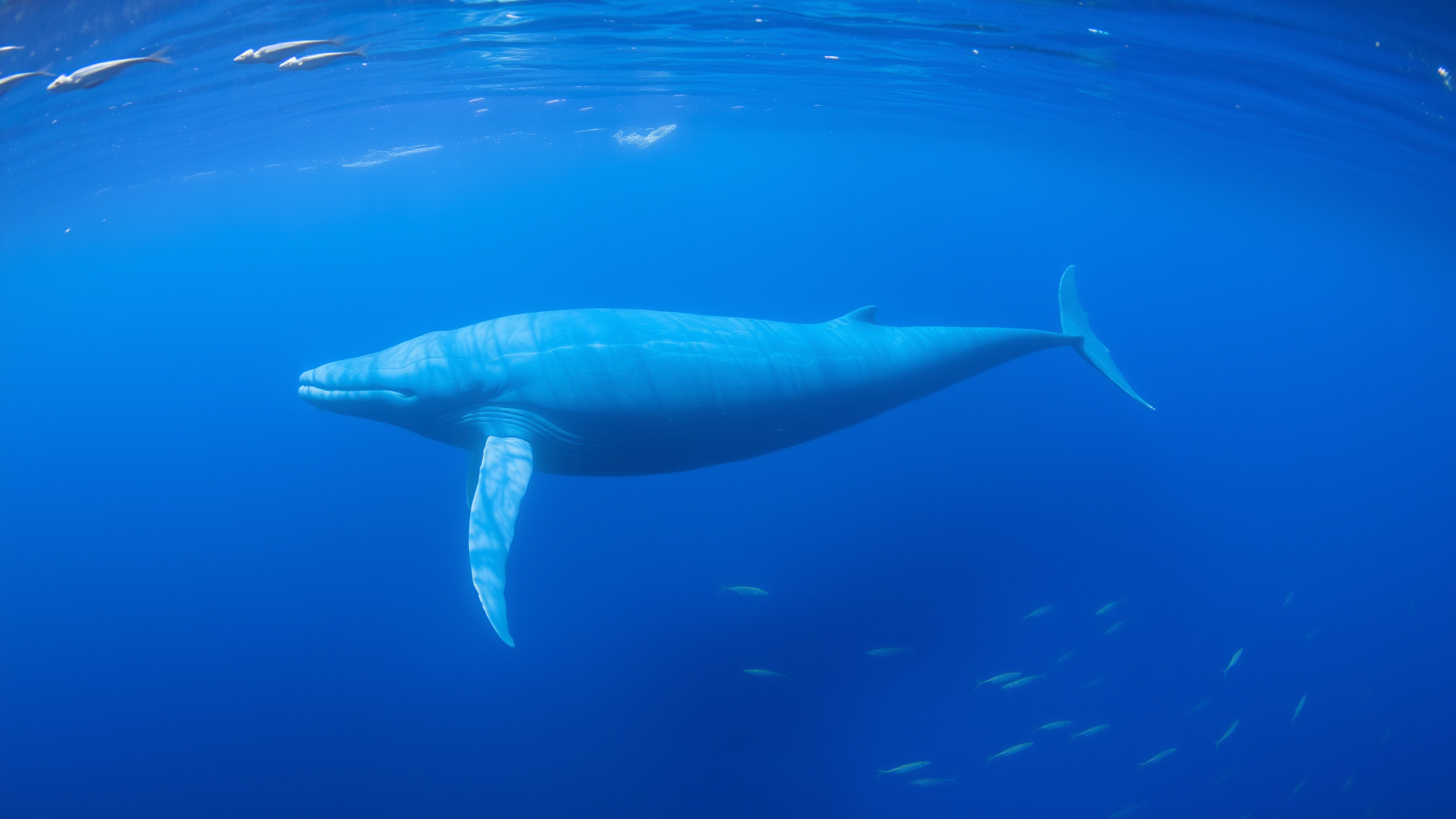
3. Blue Whale (Balaenoptera musculus)
The blue whale is the largest animal on the planet and can reach lengths of up to 100 feet. Once abundant, blue whale populations were severely reduced due to commercial whaling. Today, they are classified as endangered, with an estimated population of around 10,000 to 25,000 individuals worldwide.
Protection Measures
Protecting blue whales involves enforcing anti-whaling laws, reducing ship strikes through better navigation practices, and protecting their feeding grounds from industrial activities. Research and monitoring are essential to understand their migration patterns and improve conservation efforts.
4. Atlantic Salmon (Salmo salar)
Atlantic salmon are iconic fish known for their remarkable life cycle, which includes migrating from freshwater rivers to the ocean and back. Overfishing, habitat loss, and pollution have led to drastic declines in their populations, making them vulnerable to extinction.
Conservation Initiatives
Conservation initiatives for Atlantic salmon focus on restoring river habitats, improving water quality, and managing fishing sustainably. Fish ladders and other passageways are constructed to help salmon navigate around dams and other barriers.
5. Northern Right Whale (Eubalaena glacialis)
The northern right whale is one of the most endangered large whales, with an estimated population of fewer than 340 individuals. They are primarily threatened by entanglement in fishing gear and ship strikes. Their slow reproductive rate complicates recovery efforts.
Conservation Actions
Conservation actions for northern right whales include implementing speed restrictions for vessels in their habitats, developing safer fishing gear, and enhancing monitoring efforts to protect them from entanglement. Collaboration among scientists, policymakers, and fishermen is essential for their recovery.
FAQs
What are the main threats to endangered marine species?
The main threats to endangered marine species include habitat destruction, overfishing, pollution, climate change, and illegal wildlife trade. Each of these factors can significantly impact population numbers and overall ecosystem health.
How can individuals help protect endangered marine species?
Individuals can help protect endangered marine species by supporting sustainable seafood practices, reducing plastic use, participating in beach cleanups, and advocating for marine conservation policies. Educating others about the importance of marine life can also make a difference.
Are there successful examples of marine species recovery?
Yes, there are successful examples of marine species recovery, such as the rebound of the humpback whale population following a ban on commercial whaling. Similarly, extensive conservation efforts have helped the California sea otter population to stabilize and grow in recent years.
What role do marine protected areas play in conservation?
Marine protected areas (MPAs) play a critical role in conservation by providing safe havens where marine life can thrive without the pressures of fishing, industrial activities, and other human impacts. MPAs help restore ecosystems and support biodiversity.
Conclusion
Protecting endangered marine species is a vital aspect of preserving our oceans and maintaining biodiversity. The vaquita, hawksbill sea turtle, blue whale, Atlantic salmon, and northern right whale are just a few examples of species facing significant threats. Through concerted conservation efforts, awareness, and individual actions, we can help ensure their survival and promote healthier marine ecosystems for future generations. By understanding the challenges these species face and actively participating in their protection, we contribute to a sustainable future for our oceans.